Tour Options
- 2 days 1 night
- 3 days 2 night
About Lalibela
Lalibela is one of Ethiopia’s most extraordinary historical and spiritual destinations, famous around the world for its 12th–13th-century rock-hewn churches carved directly into volcanic rock.
The churches were created during the reign of King Lalibela, who is traditionally associated with the ambitious vision of creating a holy city that would serve as a pilgrimage center.
Rather than being built from stone blocks, the churches were excavated and sculpted from the living rock, creating an architectural landscape unlike almost anywhere else in the world.
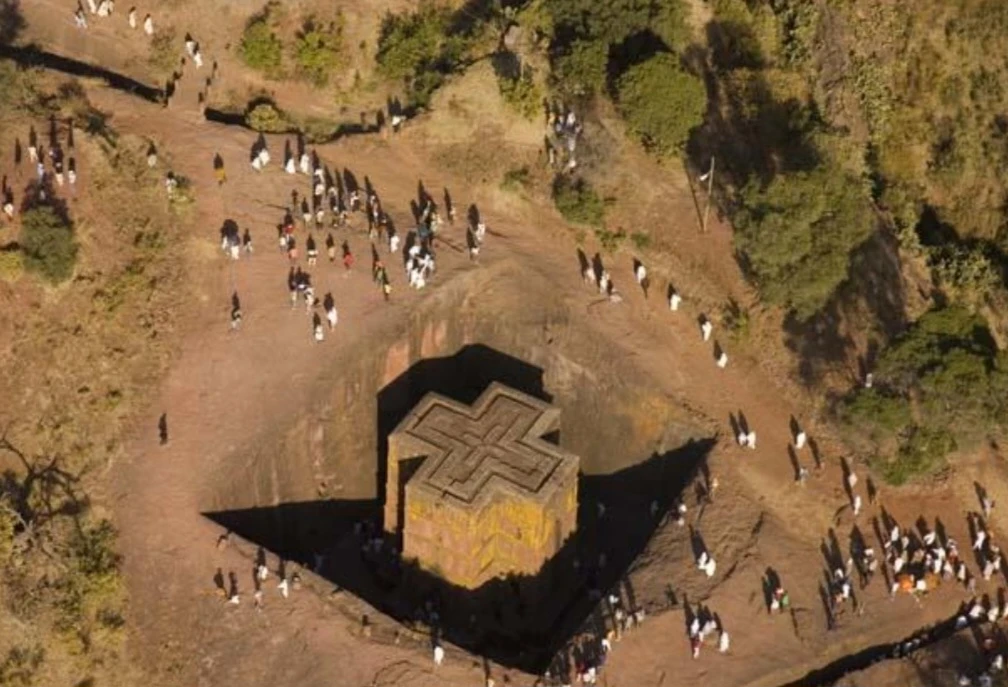
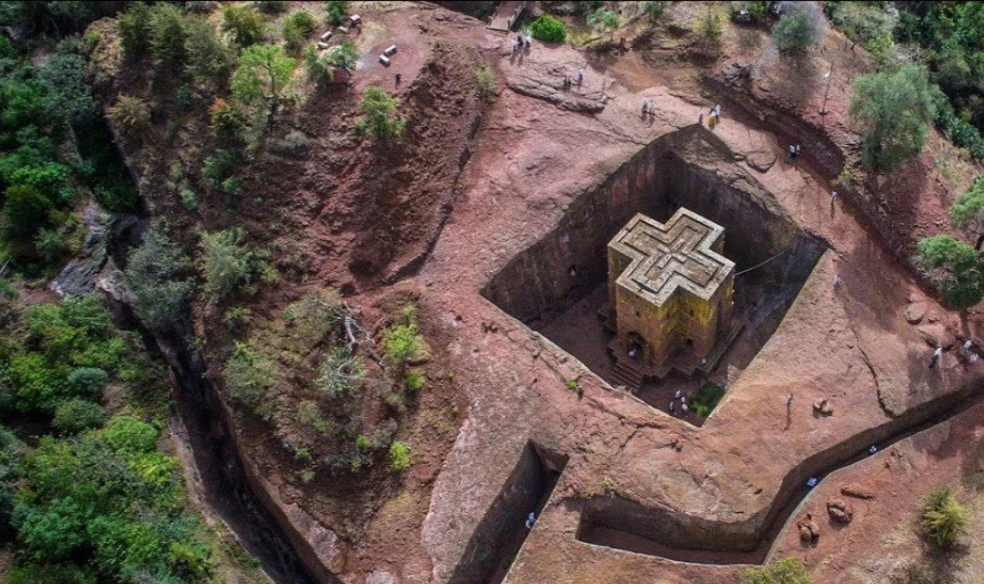
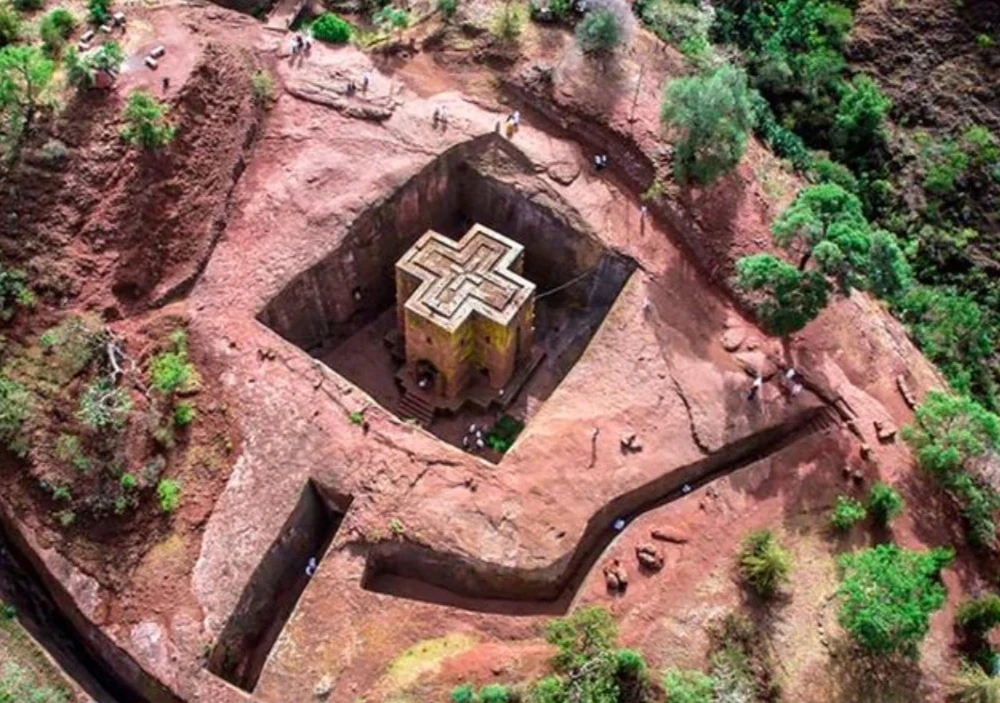
The most famous is Biete Ghiorgis (Church of St. George), carved in the shape of a cross and reached through a dramatic rock-cut passage.
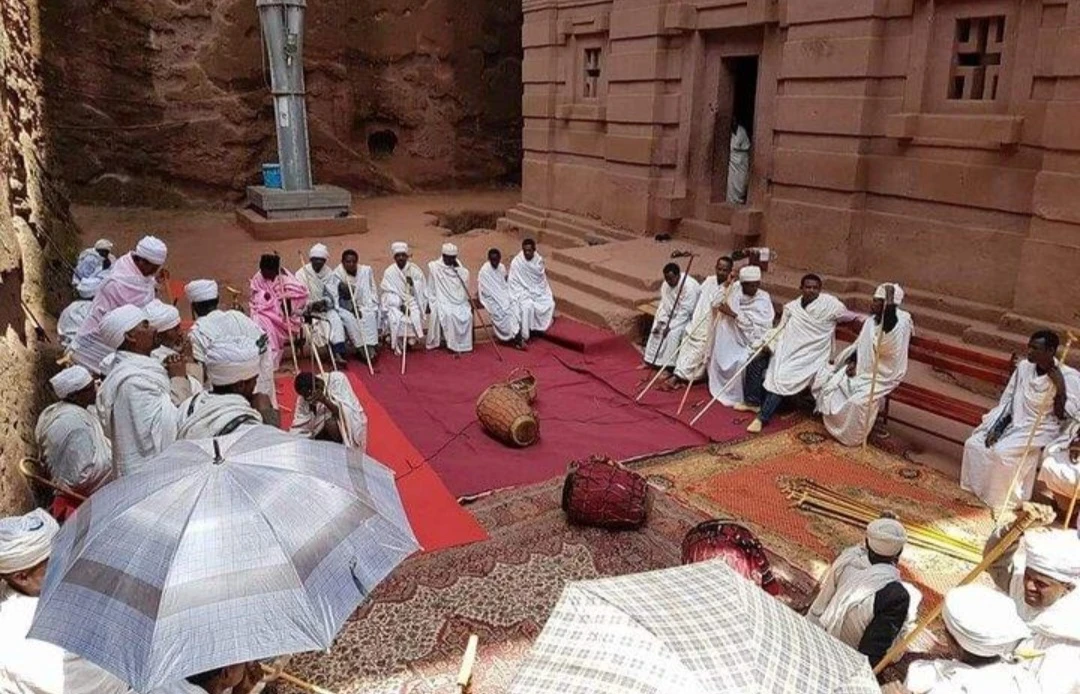
The churches are still active places of worship, meaning visitors can experience not only remarkable architecture but also Ethiopia’s continuing Orthodox Christian traditions.
Lalibela is more than its churches. The surrounding highlands offer beautiful mountain scenery, traditional villages, local food, coffee traditions, and opportunities to meet local communities.
For a 1-night, 2-day tour, Lalibela is ideal for travelers who want to experience one of Ethiopia’s most important cultural treasures in a short but meaningful journey.
Lalibela Historical Significance
Lalibela holds a singular place in global history as the spiritual heart of medieval Ethiopia and a breathtaking testament to human engineering.
Built during the Zagwe Dynasty under King Gebre Mesqel Lalibela, the UNESCO World Heritage site was conceived as a “New Jerusalem” after Muslim conquests made pilgrimages to the Holy Land increasingly dangerous for African Christians.
Rather than raising structures brick by brick, 12th- and 13th-century artisans carved eleven monolithic churches directly into the red volcanic tuff rock—creating elaborate, fully functional places of worship complete with drainage systems, catacombs, and interconnecting trenches without a single drop of mortar.
Beyond its architectural marvels, Lalibela stands as an enduring symbol of Ethiopian independence, national identity, and unbroken Christian tradition.
While many ancient holy sites exist as quiet monuments of the past, Lalibela remains a vibrant, living center of faith.
For over 800 years, Ethiopian Orthodox pilgrims have journeyed here to pray within the exact same stone walls, keeping its ancient liturgical traditions continuously alive.
Key Historical Highlights
The New Jerusalem:
Built to replicate the topography of Jerusalem, featuring its own River Jordan cut into the rock to serve as a safe sanctuary for pilgrims.
Engineering Mastery:
Sculpted top-down directly out of living rock, requiring an estimated removal of thousands of tons of basaltic stone.
Living Heritage:
Lalibela remains an active pilgrimage destination rather than an abandoned historical ruin, hosting massive religious celebrations like Genna (Ethiopian Christmas).
Symbol of Sovereignty:
Serves as a proud emblem of Ethiopia’s rich medieval history and unique cultural resilience on the Horn of Africa.
Why Is Lalibela Known As The Eight Wonder of the World?
Lalibela earned its informal title as the “Eighth Wonder of the World” because its construction defies typical engineering logic.
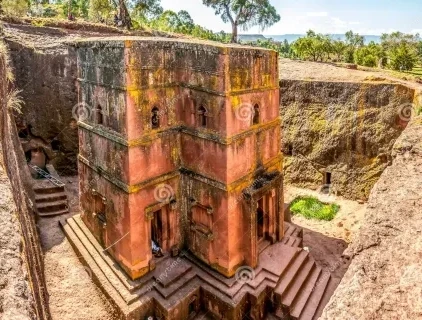
While standard monuments are built upwards from the ground using transported stones or bricks, Lalibela’s eleven churches were carved top-down directly into the earth out of solid red volcanic basalt.
Artisans chipped away trenches deep into the bedrock to isolate massive single blocks, then hollowed out and sculpted those blocks from the inside out—shaping doors, windows, arches, colonnades, and intricate ceremonial interiors without using a single mortar joint or external timber.
What Makes It an Architectural Wonder Monolithic Scale:
Structures like Bete Medhane Alem—believed to be the largest monolithic rock-hewn church in the world—stand over three stories high, all carved from a single, continuous stone mass.
Complex Subterranean Network:
The complex connects churches through a subterranean maze of deep trenches, narrow rock-cut tunnels, and catacombs designed for both ceremonial movement and physical defense.
Hydraulic Engineering:
Medieval builders engineered complex drainage systems, subterranean cisterns, and water channels carved into the rock to prevent the excavated churches from flooding during intense rainy seasons.
Lalibela Local Cuisine Experiences
Beyond its monolithic architecture, Lalibela offers a culinary journey deeply intertwined with highland traditions, Orthodox Christian culture, and centuries-old hospitality rituals.
Dining in Lalibela goes beyond basic nourishment—it is an interactive, communal experience centered on communal sharing, rich spices, and ancient preparation methods.
Essential Local Culinary Experiences
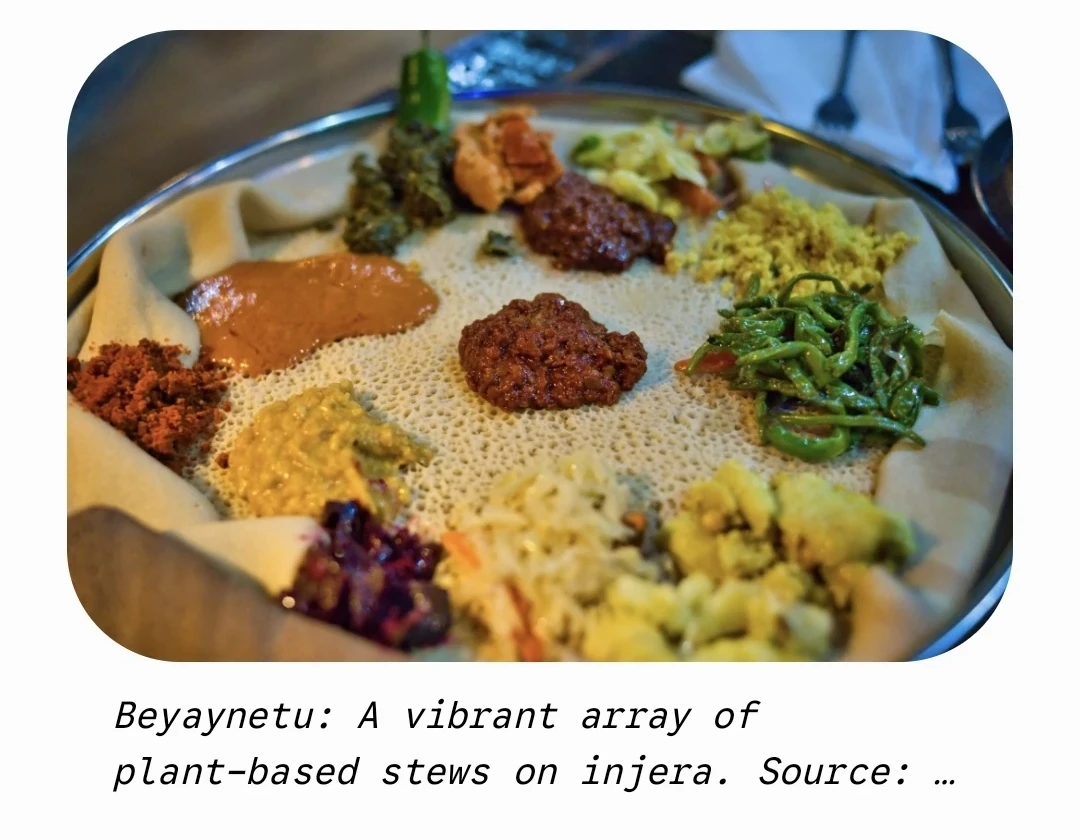
1. The Traditional Fasting Feast (Beyaynetu)
Due to the strict fasting calendar of the Ethiopian Orthodox Church—where believers refrain from animal products for over 180 days a year—Lalibela has perfected plant-based cuisine.
A Yetsom Beyaynetu (fasting platter) is served on a large piece of sourdough injera (made from ancient teff grain) and piled with colorful mounds of split pea stew (shiro), spiced lentils (misir wat), collard greens (gomen), and beet salad.
 2. Highland Lamb Specialties (Tibs and Siga Wat)
On non-fasting days, the surrounding Lasta mountains produce some of the finest high-altitude lamb and goat in Ethiopia.
Lalibela Tibs:
Tender marinated lamb or beef stir-fried over hot charcoal in a clay pot (mitad) with onions, garlic, rosemary, and sliced green peppers.
Doro Wat:
A slow-cooked, rich chicken stew infused with berbere (a blend of chili, garlic, ginger, and indigenous spices) and spiced clarified butter (niter kibbeh), typically served with hard-boiled eggs during major feast days.
3. The Authentic Ethiopian Coffee Ceremony (Buna)
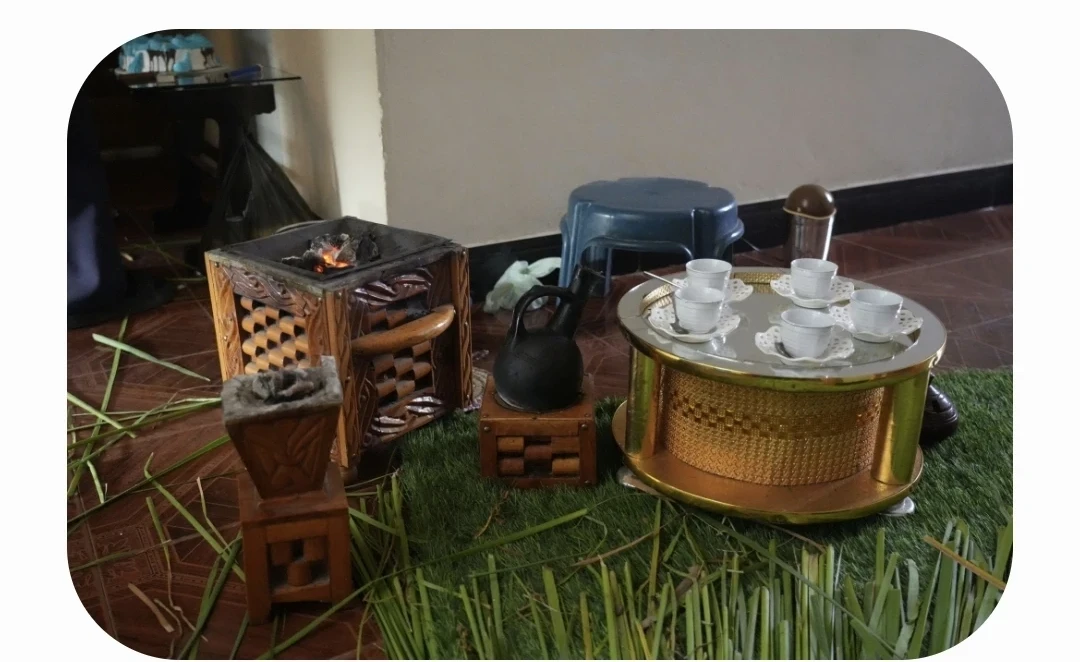
No visit to Lalibela is complete without taking part in a traditional coffee ritual.
Fresh green beans are roasted over glowing coals right in front of you, bringing forth rich aromas before being hand-ground with a mortar and pestle.
The coffee is brewed inside a black clay pot called a jebena and poured from a height into small handleless ceramic cups (cini), often accompanied by freshly popped popcorn or roasted barley (kollo).
Lalibela Photography Spots
Lalibela offers photographers a unique blend of dramatic subterranean architecture, striking light interplay, and deeply moving human elements.
Whether capturing high-contrast interior doorways or sweeping mountain landscapes, these spots yield the most memorable photos in town.
Top Photography Locations in Lalibela
1. The Ridge Above Bete Giyorgis (Church of St. George)
The iconic cross-shaped roof carved directly into the bedrock is best photographed from the ground-level ridge surrounding the trench.
Best Time:
Late afternoon during golden hour, right as the setting sun illuminates the reddish volcanic rock and casts soft shadows into the deep trench.
Pro Tip:
Position yourself on the eastern edge looking down to get the Greek cross aligned against the surrounding highland hills.
2. The Doorways and Windows of Bete Amanuel
Known as the most finely carved exterior in Lalibela, Bete Amanuel features layered Axumite-style architecture with stepped friezes and geometric window frames.
Best Time To Visit:
Early morning when sunlight hits the eastern wall at an angle, accentuating the carved rock textures and relief details.
Pro Tip:
Frame priests clad in traditional white gabi robes as they stand or sit near the heavy wooden doorways for high-contrast environmental portraits.
3. The Connecting Tunnels (Bete Golgotha to Bete Urael)
The dark, subterranean passages linking the church groups offer dramatic moody shots that evoke the mystery of medieval Lalibela.
Best Time:
Midday when strong overhead sunlight creates sharp beams breaking through small ceiling shafts into the dark stone corridors.
Pro Tip:
Bring a lens with a wide aperture (f/1.8 or f/2.8) and bump your ISO, or use atmospheric backlighting to capture silhouettes of worshippers walking through the rock cuts.
4. Ashtan Maryam Monastery (Mountain Peak)
Perched at over 3,000 meters above sea level on Mount Asheten, this cave monastery offers unmatched panorama views over the Lasta valley and the town below.
Best Time To Visit:
Early morning hike for sunrise above the clouds or late afternoon for expansive sunset valley vistas.
Pro Tip:
A telephoto zoom lens (70-200mm) helps compress the rugged mountain ridges and capture distant highland villages.
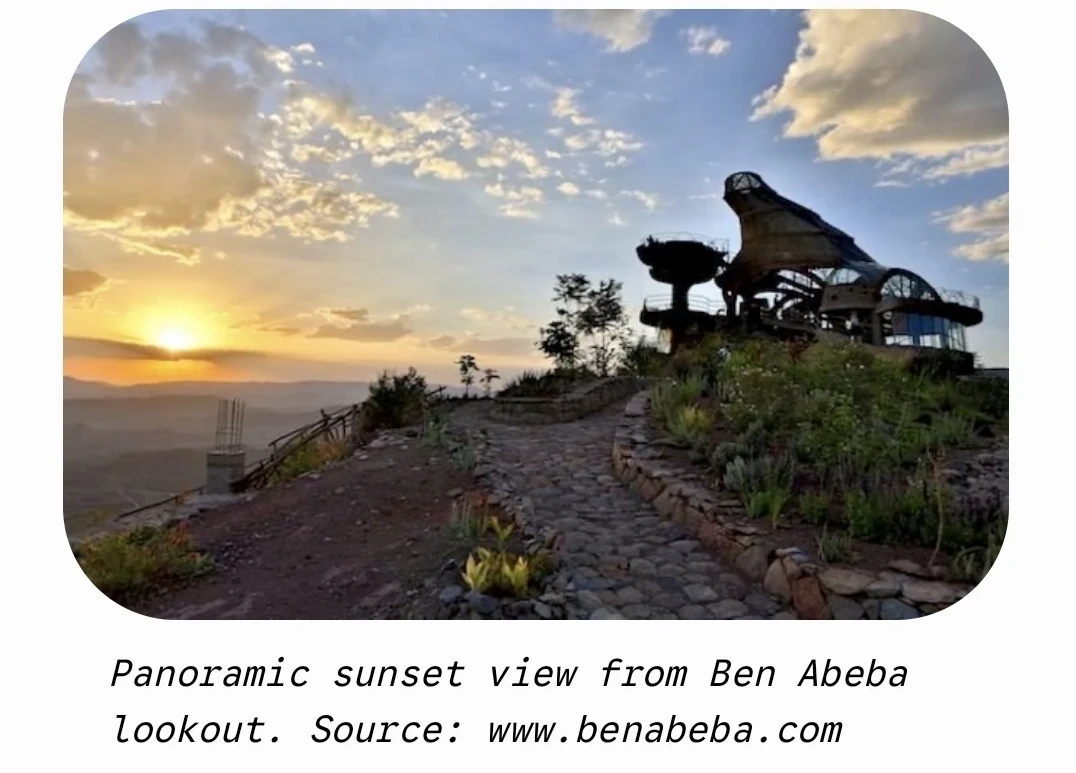
5. Ben Abeba Sunset Lookout
Perched on a high cliff edge on the outskirts of town, the futuristic, spiral structure of Ben Abeba provides a striking contrast against the raw natural beauty of the surrounding mountains.
Best Time:
30–45 minutes before sunset.
Pro Tip:
Capture wide shots of the sun dipping below the horizon with the unique architectural silhouette framing the valley floor.
Top Guided Tours In Lalibela Ethiopia
Experience the Eighth Wonder of the World through the eyes of local experts. At Abyssinia Explorer Tours, we take you deep into the heart of Lalibela, revealing the hidden history, sacred chants, and architectural brilliance behind Ethiopia’s famous 12th-century UNESCO World Heritage sites.
So, whether you are looking for a swift immersion or an in-depth highland adventure, our guided itineraries are tailored to give you an unforgettable travel experience.
Two different options available.
- 2 Day 1 Night Tour
- 3 Day 2 Nights Tour
*Group discounts are negotiable by request.
Why Book With Abyssinia Explorer Tours?
Local Expertise – Native guides who bring centuries of oral traditions and liturgical secrets to life.
Seamless Logistics – All ground transportation, expert guiding, and site tickets handled start-to-finish.
Flexible Booking – look no further! Private or small group options designed around your whole travel schedule.
If you are ready to walk through living history then let us handle this for you.
Let Abyssinia Explorer Tours craft your dream journey to Lalibela.
Contact us through our page here for more Information today.