Have you ever thought about visiting Ethiopia? Maybe you have heard certain things about this East African travel destination – but how about this country and what is it really like here, compared to other places for tourists to visit in Africa?
This is a good question – Ethiopia deserves the recognition of anyone keen to see the world – for anybody looking for new, unique and captivating experiences this is somewhere you should want to get to know about.
Few destinations match Ethiopia’s rich blend of ancient history, distinct culture, and dramatic natural wonder.
From the sacred rock-hewn churches of Lalibela and the ancient ruins of Abadi Mariyam; to the legendary resting place of the Ark of the Covenant in Axum, Ethiopia is a living museum that really seems to have it all.
Beyond its spiritual heartland, the landscape transforms into dramatic mountain ranges, roaring waterfalls, active volcanoes, and rift valley lakes.
It is also home to incredible endemic wildlife found nowhere else on Earth, including the famous Gelada baboons of the northern highlands.
Here is a place that will not leave you disappointed. Whether you’re looking to spot wildlife in Awash National Park, trek the high peaks of the Simien Mountains, or custom-build an itinerary across the country, Abyssinia Explorer Tours has you covered.
The Best Places To Visit In Ethiopia
Certainly, the majority of International travelers will arive in Ethiopia from Addis Ababa Bole airport.
The capital city of Ethiopia, Addis Ababa is a great place to start – where museums, lively markets, and a traditional coffee ceremony open the door to Ethiopian culture.
From there, journey through the royal heritage of Gondar, the ancient history of Aksum, and the extraordinary rock-hewn churches of Lalibela, plus the historic churches of Tigray.
Experience the dramatic landscapes of Simien Mountains National Park, with opportunities to discover Ethiopia’s unique wildlife and remarkable birdlife.
Continue to the otherworldly Danakil Depression, discover the rich cultures of the Omo Valley, and explore the landscapes and wildlife of Awash National Park.
Enjoy the natural beauty of Wenchi Crater Lake and Debre Libanos, while experiencing Ethiopia’s diverse ecosystems, animals, and birds.
Along the way, meet local communities, taste traditional Ethiopian food, and experience the warmth of Ethiopian hospitality.
Read some of our related blog posts:
How To Plan a Trip To Ethiopia?
Planning a trip to Ethiopia requires balancing logistics, season timing, and route execution to handle the country’s vast geography and unique travel infrastructure.
Step-by-Step Planning Framework
1. Timing & Seasonality
- Best Overall (Oct–Apr): Clear skies, mild temperatures, and ideal conditions for trekking in the Simien Mountains or exploring historical sites.
- Festival Highlights:
- Meskel (September): Finding of the True Cross, featuring massive bonfires.
- Timkat (January): Epiphany celebrations; best experienced in Gondar or Lalibela.
- Low Season (May–Sep): Heavy rainfall, particularly in the highlands, making dirt roads difficult to navigate.
2. Visa & Logistics Essentials
- e-Visa: Apply exclusively through the official government portal (
evisa.gov.et) for a 30-day or 90-day tourist visa. Avoid unauthorized third-party booking sites. - Passport Validity: Ensure your passport is valid for at least 6 months past your entry date.
- Health Requirements: A Yellow Fever vaccination certificate is mandatory if arriving from an endemic area. Standard travel vaccinations (Hepatitis A, Typhoid) and malaria prophylaxis for lower-altitude regions are recommended.
- Currency: Cash is king outside major hotels in Addis Ababa. Bring crisp USD bills to exchange locally. Carry foreign currency limits below USD 3,000 to avoid mandatory customs declarations upon arrival.
3. Internal Transport Strategy
- Fly Ethiopian Airlines Internationally: Flying into the country with Ethiopian Airlines unlocks significant discounts on internal domestic flights (the primary way to travel between Addis Ababa, Lalibela, Axum, and Gondar).
- Private Guided Drivers: Essential for overland routes, such as trips to the Danakil Depression or southern Omo Valley, where road conditions vary and local navigation is required.
Key Itinerary Routes
| Route Region | Highlights | Recommended Time | Best Transport |
| Northern Historic Circuit | Rock-hewn churches of Lalibela, ancient obelisks of Axum, Gondar castles, Lake Tana monasteries | 7–10 Days | Domestic Flights |
| Simien Mountains Trek | High-altitude trekking, Gelada baboons, dramatic escarpments | 3–5 Days | Overland 4×4 from Gondar |
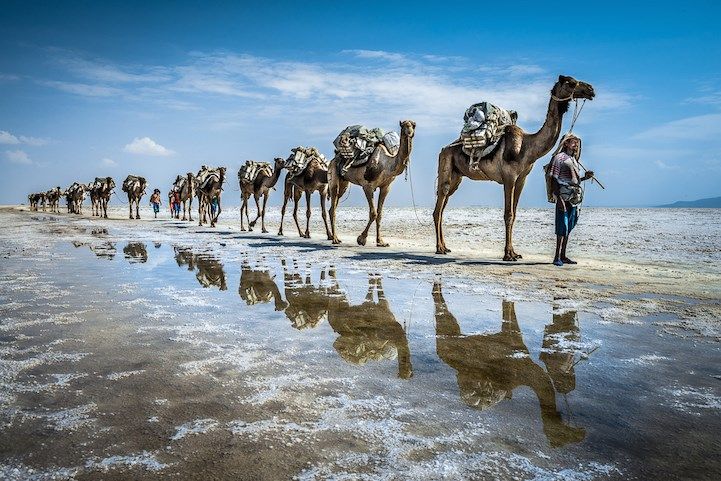
| Danakil Depression | Erta Ale lava lake, Dallol hydrothermal fields, salt flats | 3–4 Days | Authorized Guided 4×4 Tour |
| Southern Cultural Circuit | Omo Valley tribal communities, Rift Valley lakes, Dorze villages | 5–7 Days | Guided 4×4 Overland |
Key Packing & Field Considerations
- Modest Clothing: Lightweight, full-coverage clothing (long trousers/skirts, headscarves for women) is necessary for visiting active monasteries and sacred sites.
- High-Altitude Gear: Thermal layers and warm jackets are essential for cool nights in the Simien Mountains and Lalibela.
- Power & Connectivity: Carry a high-capacity power bank. Pick up a local Ethio Telecom SIM card at Bole International Airport in Addis Ababa for data coverage.
Ethiopian Food and Cuisine
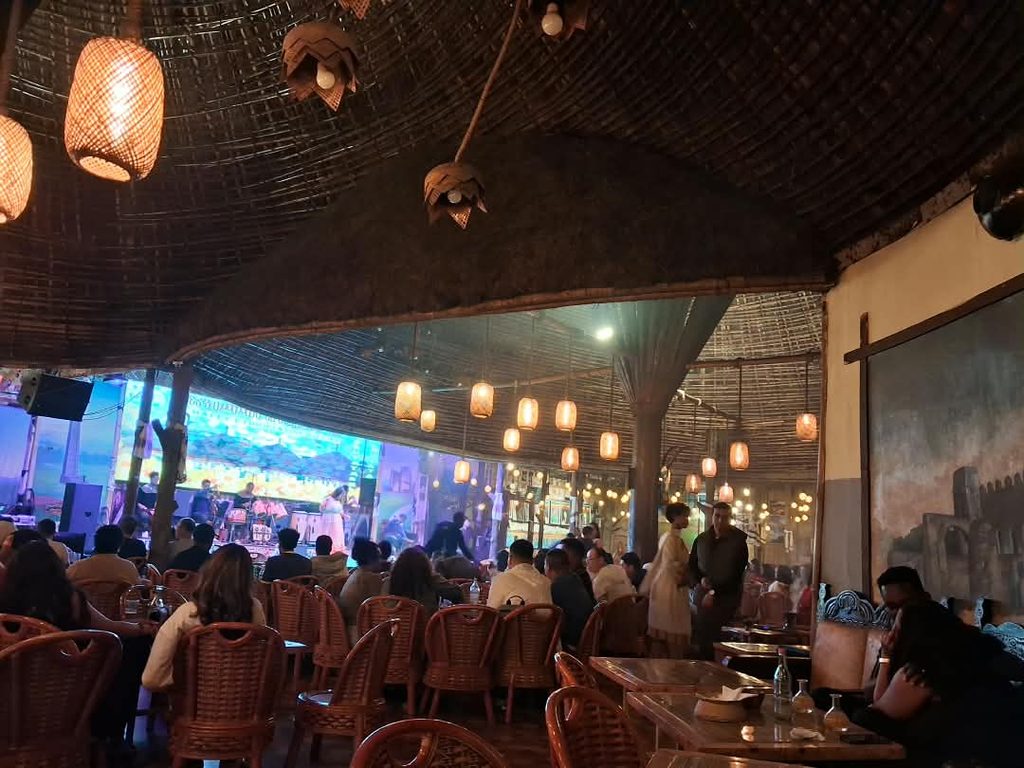
Ethiopian cuisine is defined by bold spices, communal dining, and its iconic foundation, injera. Dining in Ethiopia is rarely a solo event—meals are traditionally served on a massive platter shared among everyone at the table.

The Foundation: Injera & Essential Flavors
- Injera: A spongy, naturally sourdough flatbread made from fermented teff grain. It serves as your plate, utensil, and food all at once—you tear off pieces with your right hand to scoop up stews and side dishes.
- Berbere: The classic Ethiopian spice blend made from chili peppers, garlic, ginger, basil, korarima (Ethiopian cardamom), and fenugreek. It provides a warm, deep heat to meat and vegetable stews.
- Niter Kibbeh: Clarified butter infused with garlic, ginger, and aromatic spices like fenugreek and black cumin, giving stews their rich, flavorful base.
Key Dishes to Try
| Dish | Description | Best For |
| Doro Wat | Slow-cooked spicy chicken stew simmered in berbere and niter kibbeh, typically served with hard-boiled eggs. Considered the national dish. | Special occasions & meat lovers |
| Yetsom Beyaynetu | A vibrant vegetarian sampler platter featuring split lentils (Misir Wat), yellow peas (Ater Kik), collard greens (Gomen), and cabbage (Atkilt Wat). | Vegans & fasting days |
| Tibs | Sliced beef, lamb, or goat sauteed with onions, garlic, rosemary, and jalapenos. Served sizzling hot on a clay burner or metal dish. | Casual dinners & quick bites |
| Kitfo | Minced raw beef seasoned with chili powder (mitemita) and warm niter kibbeh. Can be ordered korefe (raw), leb leb (warmed/slightly cooked), or fully cooked. | Adventurous foodies |
| Shiro Wat | A smooth, velvety stew made from powdered chickpeas or broad beans cooked with garlic and spices. Simple, comforting, and ubiquitous. | Everyday dining |
Understanding “Fasting Food” (Yetsom)
Due to the traditions of the Ethiopian Orthodox Tewahedo Church, Wednesdays, Fridays, and major religious periods (such as Lent) are official fasting days. During these times, no animal products (meat, dairy, eggs) are consumed.
For travelers, this makes Ethiopia one of the most vegan-friendly countries in the world. Simply ask for Yetsom or a Beyaynetu to receive a 100% plant-based platter.
Drinks & Coffee Culture
- Buna (Coffee Ceremony): Ethiopian coffee isn’t just a drink; it’s a ceremonial social ritual involving roasting green beans over hot coals, grinding them, and brewing the coffee in a clay pot called a jebena. It is customarily served in three consecutive rounds (Abol, Tona, and Baraka).
- Tej: A sweet, potent honey wine flavored with gesho (a indigenous hop-like plant). Traditionally served in spherical glass flasks called berele.
- Tella: A traditional home-brewed beer made from teff, barley, or sorghum and gesho leaves.
Dining Etiquette Tips
- Use Your Right Hand Only: The left hand is traditionally considered unclean; always use your right hand to tear injera and scoop food.
- Gursha (A Gesture of Friendship): During a meal, a host or dining companion may feed a roll of injera directly into your mouth. This is called a gursha—it is a high mark of respect, warmth, and hospitality.
- Washing Hands First: Before and after eating, a server or host will bring a basin and pitcher of water to your table so you can wash your hands.
Ethiopia Eco-Tourism Travel Experiences
Ethiopia’s high-altitude highlands, rift valley lakes, and cloud forests support rare endemic species and ancient living cultures, with eco-tourism centered on community-led management that directly funds habitat conservation.
Top Eco-Tourism Experiences
Bale Mountains National Park:
Track the endangered Ethiopian wolf, Mountain Nyala, and Menelik’s Bushbuck while staying at low-impact forest lodges.
Guassa Community Plateau:
Trek through one of Africa’s oldest community-managed conservation areas to spot gelada baboons and rare birds, with all proceeds supporting local village cooperatives. Simien Mountains National Park: Hike dramatic UNESCO-protected alpine escarpments to see the Walia Ibex, utilizing local park scouts and mule handlers.
Wenchi Crater Lake:
Explore an extinct volcanic crater, hot springs, and island monasteries via community-managed horseback riding, traditional boat trips, and hikes.
Kaffa & Yayu Coffee Biosphere Reserves:
Trek through pristine cloud forests—the birthplace of wild Arabica coffee—to observe wild harvesting, shade-grown agroforestry, and birdlife.
Key Sustainable Lodges
Bale Mountain Lodge (Harenna Forest):
Off-grid, micro-hydro-powered lodge dedicated to park conservation and local hiring.
Limalimo Lodge (Simien Mountains):
Built with rammed-earth architecture, powered by solar energy, and directly funding local environmental projects.
Aregash Lodge (Yirgalem):
Bamboo tukule bungalows set in a coffee forest featuring organic farm-to-table dining.
Hara Langano Eco-Lodge (Lake Langano):
Solar-powered, off-grid stay focused on Rift Valley lake and wildlife protection.
Responsible Travel Tips
Hire Local Scouts & Guides:
Directly supports fair wages in rural and protected areas.
Reduce Single-Use Plastics:
Carry a water bottle with an integrated purifier to avoid bottled water waste.
Purchase Local Handicrafts:
Buy handwoven textiles, baskets, and coffee directly from rural artisans.
How To Experience The Wildlife In Ethiopia?
Ethiopia is not a traditional savannah “Big Five” destination; instead, it offers some of Africa’s most distinctive wildlife viewing.
Driven by high-altitude ecosystems, dense riverine forests, and isolated habitats, the country is famous for its high proportion of endemic species alongside rare, forest-dwelling big game.
Iconic Endemic & Big Game Wildlife to Spot Gelada Monkeys:
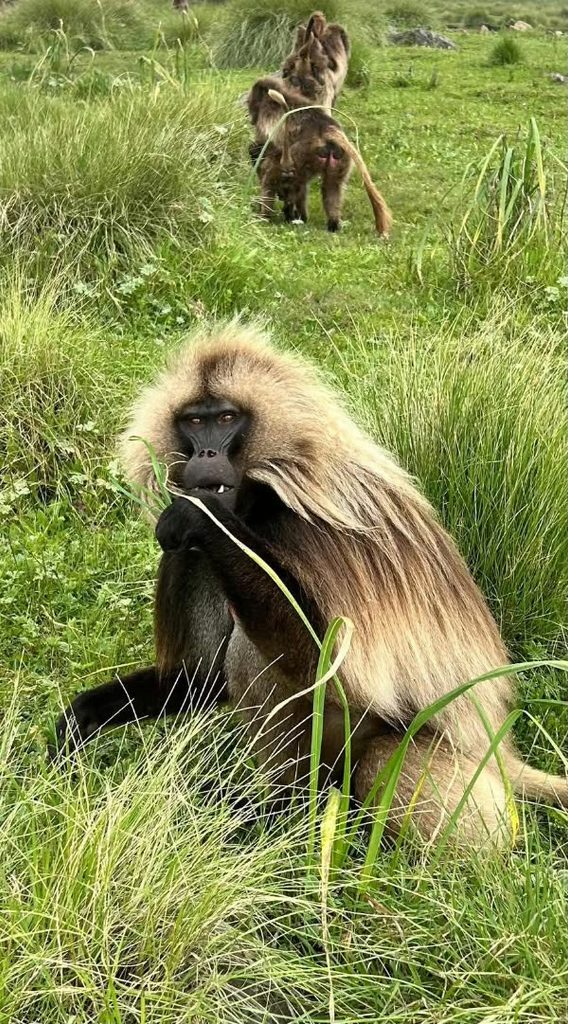
Known as the “bleeding-heart monkey” for the bright red patch on their chests. These grass-eating primates live in social troops hundreds strong along the cliffs of the Simien Mountains and Debre Libanos.
African Elephants:
Ethiopia’s largest and healthiest elephant population inhabits the lush riverine forests and crater lakes of Chebera Churchura National Park. Ethiopian Wolf: The world’s rarest canid, recognizable by its tawny red coat and slender build. They hunt giant mole-rats across the alpine Sanetti Plateau in the Bale Mountains.
Walia Ibex:
A wild mountain goat with thick, sweeping horns that inhabits the steep rock faces of the Simien Mountains.
Mountain Nyala & Menelik’s Bushbuck:
Elegant woodland antelopes best spotted in the high-altitude forests and grasslands of the Bale Mountains.
Top Wildlife Viewing Destinations
Chebera Churchura National Park:
Ethiopia’s premier elephant sanctuary. Located in the southwestern wilderness, this park protects hundreds of forest-dwelling African elephants alongside Cape buffalo, hippos, and lions.
Wildlife tracking here is done primarily on foot accompanied by armed scouts.
Bale Mountains National Park:
The top destination for mammal watchers. Drive across the Sanetti Plateau for reliable Ethiopian wolf sightings, or explore the Harenna Forest for colobus monkeys and endemic Bale monkeys.
Simien Mountains National Park:
Ideal for high-altitude trekking alongside massive, docile troops of Gelada monkeys and scanning cliff edges for the endangered Walia Ibex.
Awash National Park & Alideghe Reserve:
Located in the Rift Valley lowlands, offering semi-arid savannah viewing for Beisa oryx, Soemmering’s gazelles, kudu, and Hamadryas baboons.
Lake Chamo (Nechisar National Park):
Famous for its “crocodile market,” where giant Nile crocodiles, hippos, and aquatic birds crowd the lake shores.
Harar (Cultural Wildlife Experience):
Every evening outside the ancient walled city, local “Hyena Men” call and hand-feed wild spotted hyenas—a tradition dating back generations.
Practical Tips for Wildlife Enthusiasts
Expect Walking Safaris:
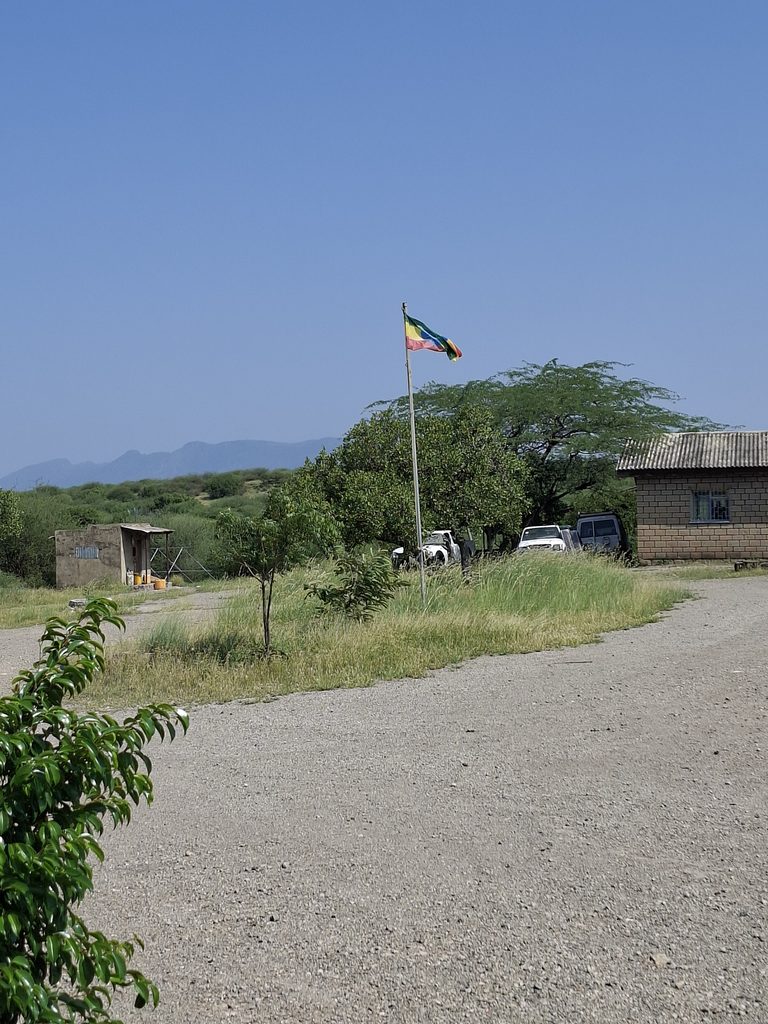
Unlike vehicle-bound safaris in East Africa, much of Ethiopia’s best wildlife viewing—whether tracking elephants in Chebera Churchura or Geladas in the Simiens—is done on foot during guided treks.
Bring World-Class Birding Gear:
Ethiopia is one of Africa’s top birding destinations, boasting over 800 species and around 20 endemics (such as the Thick-billed Raven and Blue-winged Goose).
High-quality binoculars are essential.
Hire Expert Local Trackers:
Spotting wild elephants, Ethiopian wolves, or Mountain Nyala requires local expertise. Always hire certified park guides and scouts at national park headquarters.
Ethiopia Cultural Overview
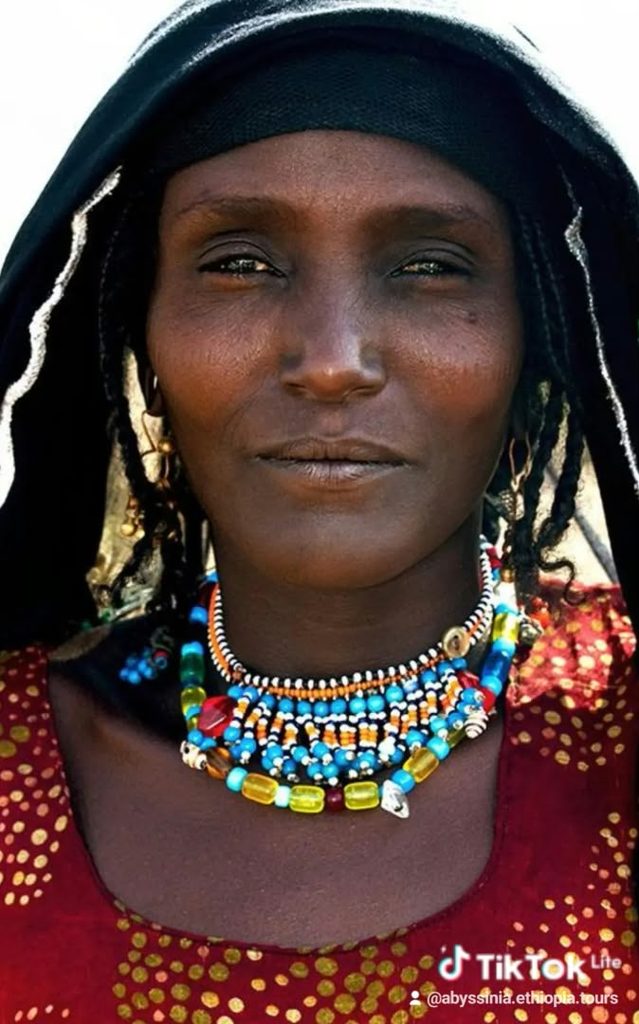
Ethiopia is one of the world’s oldest independent nations, shaped by thousands of years of uninterrupted heritage, diverse ethnic groups, and deep-seated religious traditions.
Unlike much of the African continent, Ethiopia maintained its sovereignty through the colonial era, preserving a unique cultural identity complete with its own calendar, ancient script, and distinct social customs.
Ethnic Mosaic & Languages
Ethnic Diversity:
Ethiopia is home to over 80 distinct ethnic groups, with the Oromo, Amhara, Tigray, and Somali being the largest.
In the far south, groups like the Hamer, Mursi, and Karo maintain unique pastoralist traditions.
Linguistic Tapestry:
Amharic serves as the primary federal working language, written in the ancient Ge’ez script—the only native writing system in sub-Saharan Africa.
Other widely spoken regional languages include Afaan Oromo, Tigrinya, and Somali. English is widely used across tourism networks.
Religion & Heritage Ethiopian Orthodox Tewahedo Church:
Rooted in the 4th century AD, Orthodox Christianity forms the core identity of the northern and central highlands. Its influence is evident in rock-hewn churches, centuries-old Ge’ez manuscripts, and major holy festivals like Timkat (Epiphany) and Meskel (True Cross).
Islamic History:
Islam in Ethiopia dates back to the Prophet Muhammad’s era, when early followers found refuge in Aksum during the First Hijra. The eastern city of Harar Jugol is considered the fourth holiest city of Islam.
The Ethiopian Calendar:
Ethiopia follows a unique calendar system roughly seven to eight years behind the Western (Gregorian) calendar. It features 13 months—12 months of 30 days and a 13th month (Pagume) of five or six days.
Music, Dance & Expressive Arts Eskista:
The iconic highland dance originating from the Amhara region, famous for its energetic, intricate shoulder-drop and chest-pumping movements.
Traditional Instruments:
Music relies on unique folk instruments like the krar (a six-string lyre), masinko (a single-stringed fiddle), and washint (bamboo flute).
Ethio-Jazz:
A fusion of traditional Ethiopian melodies with modern jazz and funk, popularized in the 1960s by legend Mulatu Astatke.
Why Is Ethiopia Known For Its Historical Sites
Ethiopia’s historical depth sets it apart from almost anywhere else in East Africa, and the sub-saharan region.
As one of the world’s oldest sovereign nations, its heritage spans human origins, ancient empires, early religious adoption, and medieval royal capitals.
Because Ethiopia was never colonized, its architectural treasures, sacred artifacts, and living traditions survived intact and in continuous local use.
Key Historical Pillars & Iconic Sites
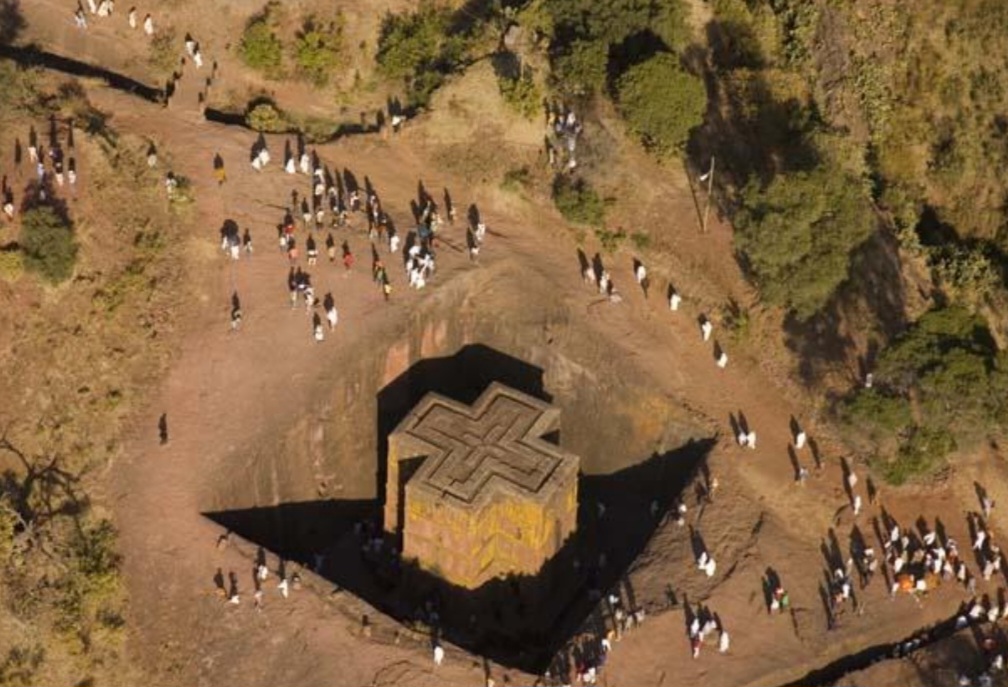
Lalibela’s Rock-Hewn Churches:
Commissioned in the 12th century by King Lalibela to build a “New Jerusalem,” these 11 monolithic churches were chiseled downward into solid red volcanic rock.
Linked by underground catacombs and trenches, they remain active places of worship today.
The Aksumite Empire & Ancient Obelisks:
Dominating trade routes between Rome and India from the 1st to 7th centuries AD, Aksum was a major global power. The site features massive granite stelae, royal tombs, and the Church of Our Lady Mary of Zion—traditionally believed to house the original Arc of the Covenant.
Fasil Ghebbi (The Castles of Gondar):
Established as Ethiopia’s royal capital in 1636 by Emperor Fasilides, this 70,000-square-meter fortress complex features stone castles, banqueting halls, and palaces showing a unique blend of Hindu, Arab, and Baroque architectural styles.
Harar Jugol (The Walled City):
Recognized as the fourth holiest city in Islam, this 16th-century fortified trading hub houses 82 mosques, 102 shrines, and a dense maze of traditional townhouse alleys built behind historic defensive walls.
Lake Tana Monasteries:
Scattered across the islands of Ethiopia’s largest lake, these 14th-to-16th-century isolated monasteries hold centuries of royal treasures, mummified remains of ancient emperors, and vibrant biblical wall paintings.
The Cradle of Humanity:
The Awash River basin yielded “Lucy” (Australopithecus afarensis), a 3.2-million-year-old hominid fossil that fundamentally reshaped our understanding of human evolution.
Must-See Historical Landmarks
| Site | Era / Origin | Key Significance |
| Rock-Hewn Churches (Lalibela) | 12th–13th Century | Monolithic architecture carved directly out of living rock; active pilgrimage site. |
| Northern Stelae Park (Axum) | 3rd–4th Century AD | Ancient monolithic granite obelisks marking royal Aksumite burial grounds. |
| Fasilides’ Castle (Gondar) | 17th Century | Medieval royal enclosure nicknamed the “Camelot of Africa.” |
| Harar Jugol (Harar) | 13th–16th Century | Fortified Islamic heritage city renowned for unique townhouse architecture. |
| Yeha Temple (Tigray) | ~700 BC | A grand stone tower considered the oldest standing structure in Ethiopia. |
Booking Your First Tour To Ethiopia With Abyssinia Explorer Tours

Ready to experience the ancient wonders, vibrant culture, and dramatic landscapes of Ethiopia firsthand? Partnering with a trusted local expert ensures your journey is seamless, safe, and deeply rewarding.
Why Travel With Abyssinia Explorer Tours?
- Tailor-Made Itineraries: From the rock-hewn churches of Lalibela and the castles of Gondar to wildlife tracking in Chebera Churchura, every route is built around your specific travel style and pace.
- Expert Local Guides: Uncover the deep history, hidden legends, and local traditions behind every site with passionate, certified Ethiopian guides.
- Hassle-Free Travel Logistics: Internal domestic flights, private 4×4 transport, park permits, and top-rated eco-lodges are fully coordinated for a stress-free experience.
- Ethical & Sustainable Tourism: Directly support local communities, park scouts, and rural artisans with every tour booked.
Start Planning Your Journey
Whether you are looking to trek high-alpine trails, explore ancient historic circuits, or experience local coffee ceremonies up close, our team is ready to design your dream itinerary.
- Browse Popular Itineraries: Visit our website to explore our signature package tours across the Historic North, Southern Omo Valley, and Danakil Depression.
- Get a Custom Quote: Contact our travel specialists directly to build a personalized private tour tailored to your dates and preferences.
Ready to explore? Book your epic adventure today with Abyssinia Explorer Tours and discover the heart of Ethiopia.