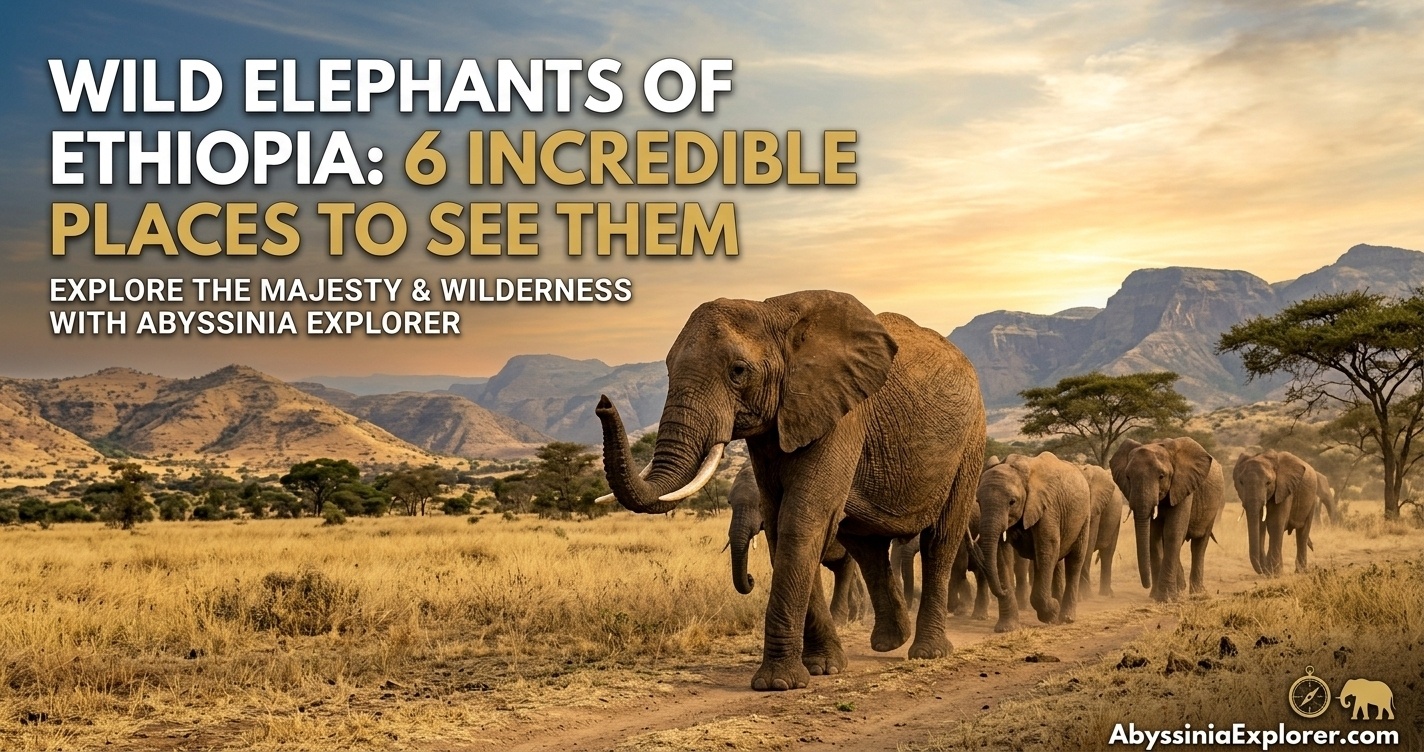
When you think about seeing Wild Elephants in Africa, Ethiopia might not be the first destination that comes to mind.
Perhaps you picture the vast plains of Kenya or Tanzania first.
Ethiopia is better known for its; Dramatic Mountains, Ancient Cities, Rock-hewn Churches, fascinating Cultures and, of course, its Coffee.
But beyond these better-known attractions lies another side of the country that many international visitors never get to experience.
Wild Elephants still roam across Ethiopia.
From the forests and rivers of the southwest to the wetlands of Gambella, the dry landscapes of the east and the woodlands of northern Ethiopia, several populations of African Elephants survive across the country.
Finding them isn’t always easy.
These are genuine wild animals moving freely through enormous natural landscapes. There are no scheduled appearances, and sightings can never be guaranteed.
You might spend hours following tracks, searching riverbanks or looking for broken vegetation before finally catching sight of a herd.
And that’s exactly what can make seeing the Wild Elephants of Ethiopia such an unforgettable experience.
In this guide, we’ll introduce you to six places where elephants can be found in Ethiopia and show you how Abyssinia Explorer Tours can help you plan your own Ethiopian wildlife adventure.
Are There Wild Elephants in Ethiopia?
Yes, there are still Wild African Elephants in Ethiopia, although their populations are scattered across several different parts of the country.
Historically, elephants occupied a much wider range across Ethiopia. Today, remaining populations survive within a number of protected areas and surrounding landscapes.
These include:
- Chebera Churchura National Park
- Mago National Park
- Omo National Park
- Gambella National Park
- Babile Elephant Sanctuary
- Kafta-Sheraro National Park
What makes this particularly interesting for travellers is just how different these places are from one another.
An Elephant Safari in Ethiopia isn’t one single type of experience.
You could be following elephant tracks through woodland in the south, exploring wetlands and floodplains in the west, travelling through the dry landscapes of eastern Ethiopia or searching for elephants among the rugged scenery of the north.
So, where should you go?
Let’s look at six of the most interesting places to search for Ethiopian Elephants in the wild.
1. Chebera Churchura National Park
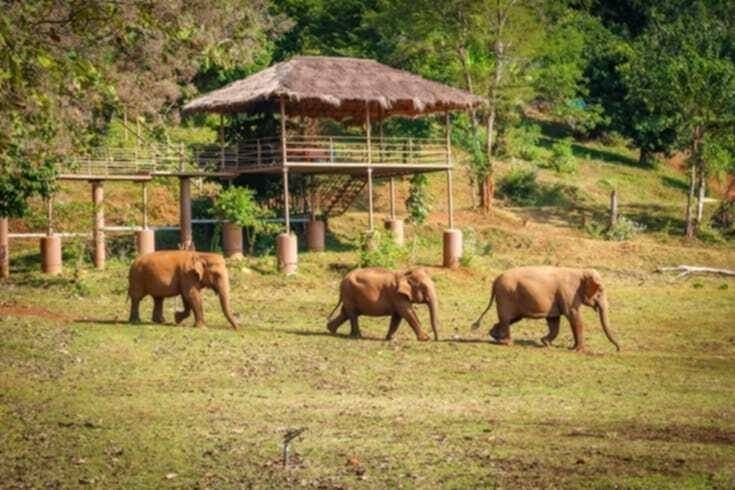
Located in southwestern Ethiopia, Chebera Churchura National Park is one of the country’s important elephant habitats and a fascinating destination for wildlife enthusiasts.
One of the things that makes this national park particularly interesting is the diversity of its landscapes.
From open grasslands and woodlands to mountain forests and riverine habitats, Chebera Churchura provides a varied natural environment supporting elephants and many other species.
And that’s part of its appeal.
Rather than visiting a destination known for one particular animal, you’re exploring an entire ecosystem where wildlife continues to live and move freely.
For travellers interested in African elephants, nature photography and discovering some of Ethiopia’s lesser-known protected areas, Chebera Churchura offers an opportunity to experience the country’s wilder side.
The park’s remote setting also makes it appealing to those looking for something different from the more established African safari destinations.
It’s a place where the landscapes and the wider wildlife experience can be just as memorable as the elephants themselves.
2. Mago National Park
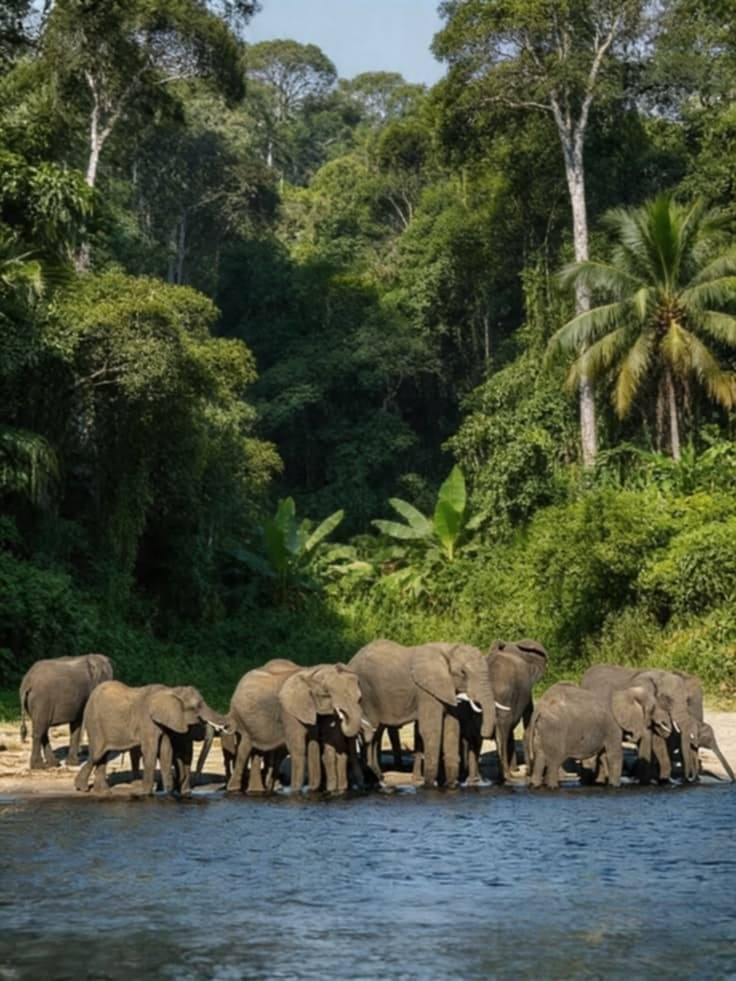
Further south, Mago National Park offers another opportunity to experience Ethiopia’s wild elephants in one of the country’s most fascinating regions.
Located in the wider Omo Valley, Mago is a landscape of open grasslands, woodland, rivers and extensive natural habitats.
Elephants are among the wildlife associated with this remote region, but there’s another reason Mago is particularly interesting for travellers.
Its location makes it possible to combine wildlife with a wider Omo Valley adventure.
The Omo Valley is renowned for its cultural diversity, dramatic scenery and opportunities to learn about the traditions and everyday lives of local communities.
A visit to Mago can therefore become one part of a much broader journey through southern Ethiopia.
Imagine spending part of your trip exploring the region’s villages and landscapes before venturing into the national park to discover its wildlife.
Rather than choosing between a cultural tour and an Ethiopian wildlife safari, you can potentially experience elements of both.
For travellers considering an Omo Valley journey with Abyssinia Explorer Tours, Mago National Park could make an exciting addition to their itinerary.
3. Omo National Park
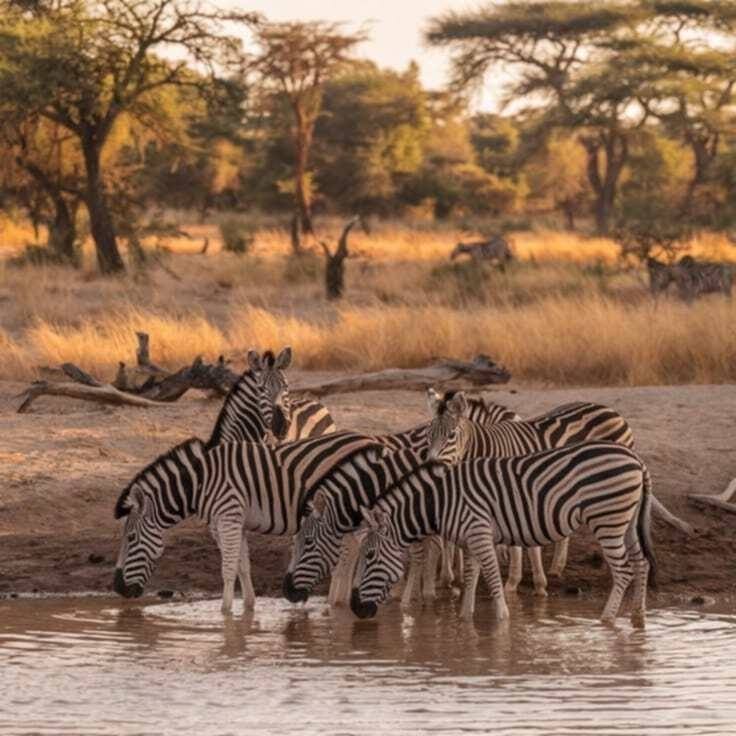
Omo National Park is another remarkable wilderness destination in southwestern Ethiopia.
Situated within the wider Omo region, the park encompasses extensive grasslands, woodlands, rivers and remote natural landscapes.
Elephants are among the wildlife found within this wider ecosystem, but what makes Omo particularly appealing is its sense of isolation.
Unlike some of Africa’s better-known safari destinations, Omo remains far removed from the busy tourist circuits.
The park’s remote location and limited infrastructure mean that visiting requires careful planning, flexibility and a genuine appetite for adventure.
But for the right traveller, that’s part of the attraction.
Exploring Omo is about experiencing a landscape that remains relatively unfamiliar to international visitors, where wildlife exists within a much larger wilderness.
And while elephants may be one of the animals you hope to encounter, the scenery and sense of exploration can make the journey rewarding in their own right.
Like Mago, Omo National Park can potentially be incorporated into a wider journey through southern Ethiopia.
For travellers interested in remote wildlife experiences, adventure travel and discovering lesser-visited parts of Ethiopia, Omo offers something quite different from a conventional safari holiday.
For more information about Ethiopia’s national parks, protected areas and wildlife conservation efforts, you can also visit the Ethiopian Wildlife Conservation Authority.
4. Gambella National Park
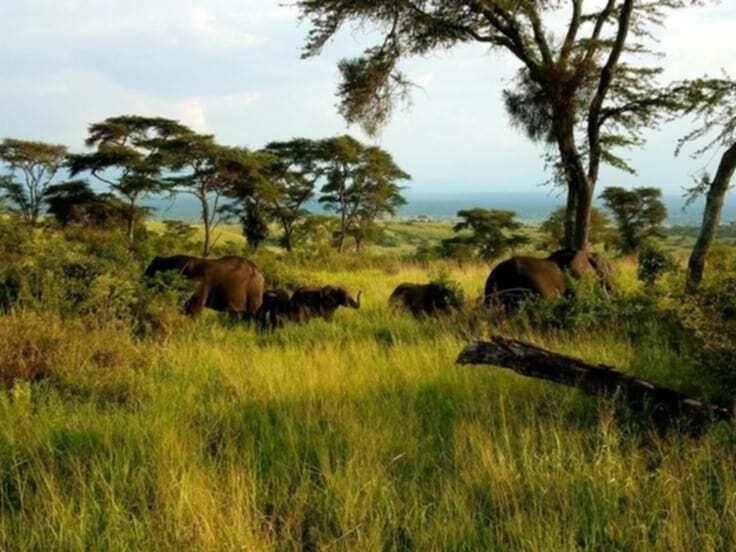
If elephants are one of the main reasons for your journey, Gambella National Park is particularly interesting.
Located in western Ethiopia near the border with South Sudan, Gambella looks very different from the mountainous landscapes many travellers associate with Ethiopia.
Here you’ll find broad grasslands, rivers, wetlands, floodplains and woodland.
The wider Gambella landscape supports an important population of elephants, making the region particularly interesting for travellers planning a more dedicated Ethiopia elephant safari.
There is plenty of other wildlife to look out for as well.
The area supports buffalo, antelope, giraffes and a rich variety of birdlife, meaning an expedition here can become a much broader wildlife experience rather than focusing entirely on elephants.
Gambella is also a good example of why planning an elephant trip around local conditions is so important.
During wetter periods, some areas can become considerably harder to reach. Drier conditions can make travelling through parts of the landscape easier.
For that reason, we prefer to look at the conditions, season and individual traveller’s priorities when planning a journey rather than suggesting exactly the same itinerary throughout the year.
Gambella is remote.
But for travellers who enjoy that feeling of travelling beyond the established tourist trail, getting there is part of the adventure.
5. Babile Elephant Sanctuary
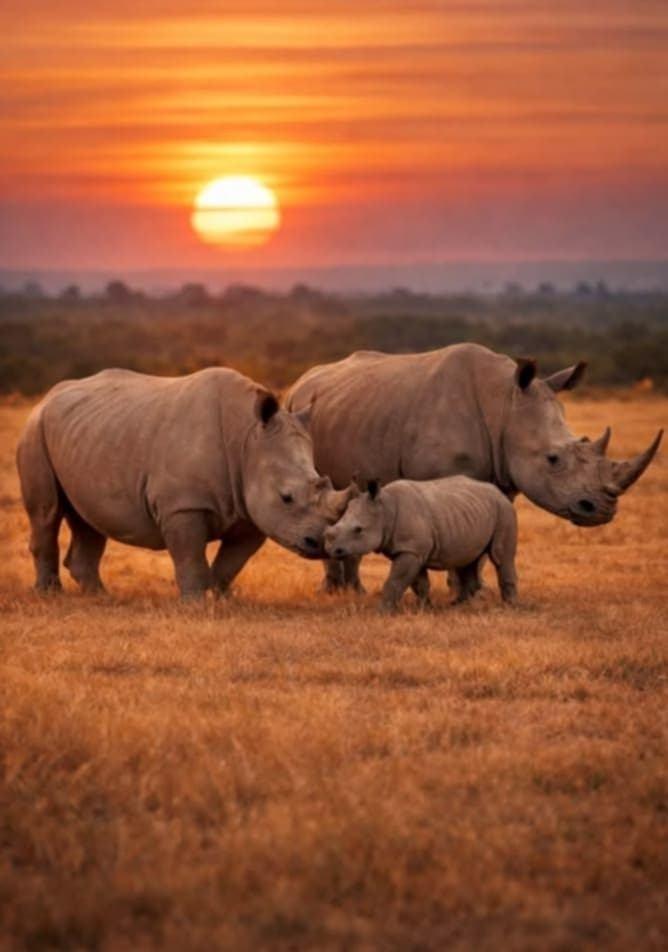
Travel across Ethiopia to the east and the landscape changes dramatically.
Near the historic city of Harar, Babile Elephant Sanctuary provides another opportunity to search for elephants in their natural environment.
Babile is much drier than many of Ethiopia’s southwestern elephant habitats.
Rocky terrain, woodland and broad open landscapes create a very different setting for an Ethiopian elephant experience.
The sanctuary was established to protect elephants and their habitat, but the animals move across a large natural area.
This means finding them can take time.
There may be days when you spend considerable time searching before locating a herd.
But Babile offers more than simply the possibility of photographing elephants.
The region also provides an opportunity to understand some of the challenges involved in elephant conservation in Ethiopia, particularly in landscapes where wildlife and local communities share the same land and resources.
And there is another reason Babile is particularly interesting for travellers.
Harar can be incorporated into the same journey.
This gives you the opportunity to combine wildlife with one of Ethiopia’s most fascinating historic and cultural destinations.
Spend time exploring Harar and discovering eastern Ethiopian culture, then venture out into the surrounding landscapes in search of wild elephants.
For travellers who don’t want their entire trip to revolve around wildlife, this combination can offer the best of both worlds.
6. Kafta-Sheraro National Park
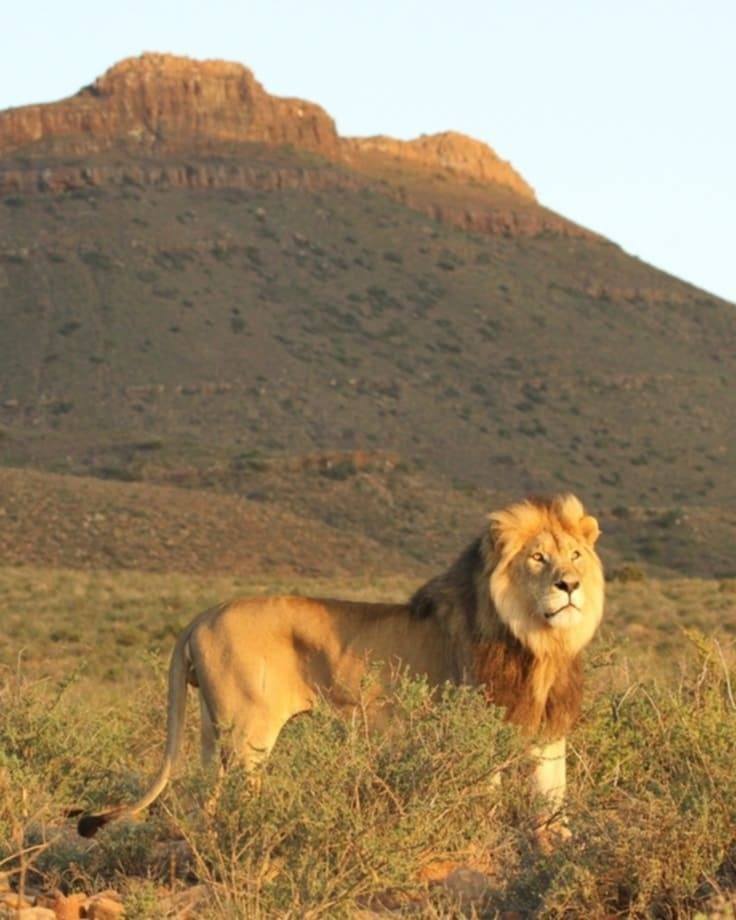
Our final destination takes us to a completely different part of the country.
Kafta-Sheraro National Park, in northern Ethiopia’s Tigray region, provides another example of just how varied Ethiopia’s elephant habitats can be.
Here, dry woodland, rivers and rugged open landscapes provide habitat for elephants and other wildlife.
One particularly interesting aspect of this elephant population is the wider landscape through which the animals move, extending across the Ethiopia-Eritrea border region.
For travellers, Kafta-Sheraro provides another perspective on northern Ethiopia.
Many international visitors associate this part of the country primarily with mountains, ancient churches, archaeological sites and centuries of history.
Yet northern Ethiopia also has a wildlife story.
An elephant experience here can therefore potentially become part of a much broader journey incorporating history, culture, landscapes and nature.
As everywhere else in this guide, sightings depend on the elephants themselves.
You may find them.
You may follow their tracks.
Or you may discover evidence showing that they were there shortly before you.
That’s wildlife.
Important travel information: Some of Ethiopia’s elephant habitats are located in remote regions where accessibility, security and travel conditions can change. Before planning your adventure, we recommend checking the latest travel advice issued by your own country’s government and contacting Abyssinia Explorer Tours to discuss which destinations are currently suitable for visitors. Our team can help you explore available options and plan an itinerary based on your interests, travel dates and local conditions.
What Is It Really Like Searching for Wild Elephants in Ethiopia?
Perhaps the biggest difference between an Ethiopia elephant tour and some more established African safari experiences is the sense of uncertainty.
There is no guarantee about what you’ll find.
Imagine starting early in the morning and heading into the wilderness with your guide.
Before long, somebody notices a footprint.
Further ahead, you find branches that appear to have been broken recently.
Then fresh dung.
The elephants have been here.
But where are they now?
You continue.
You search the woodland, watch the open areas and stop near water.
Maybe hours pass.
And then someone notices movement.
Perhaps a herd is standing quietly among the trees.
Maybe elephants emerge into an open area.
Or perhaps you catch only a brief glimpse before they disappear back into the vegetation.
That moment feels different precisely because nobody could guarantee it would happen.
This isn’t about knowing exactly what animal you’ll see at 10:30 in the morning and moving on to the next attraction at 11.
It’s about being in a genuinely wild landscape and allowing nature to surprise you.
Which Is the Best Place to See Elephants in Ethiopia?
| National Park / Sanctuary | What Makes It Special | Best Suited For |
|---|---|---|
| Chebera Churchura National Park | Diverse forests, grasslands and important elephant habitats | Wildlife enthusiasts and nature photographers |
| Mago National Park | Wild elephants in the culturally rich Omo Valley region | Combining wildlife with cultural experiences |
| Omo National Park | Remote wilderness, rivers and extensive natural landscapes | Adventurous travellers seeking less-visited destinations |
| Gambella National Park | Vast wetlands, savannas and important elephant habitat | Dedicated wildlife enthusiasts and adventurous safari travellers |
| Babile Elephant Sanctuary | Dry eastern landscapes and elephant conservation near Harar | Combining elephants with history, culture and conservation |
| Kafta-Sheraro National Park | Northern Ethiopia’s dry woodlands and cross-border elephant habitat | Travellers interested in remote northern wildlife landscapes |
Note: Wild elephant sightings are never guaranteed. Access, safety conditions and suitable visiting seasons vary between destinations.
As you can see, there isn’t one elephant destination that will suit every traveller.
The best place to see wild elephants in Ethiopia depends on the kind of experience you’re looking for, the time of year you’re visiting and what else you’d like to discover along the way.
Let’s take a closer look at which destinations might be right for you.
There isn’t one answer that will suit everybody.
The right destination depends on why you’re travelling, when you’re visiting and what else you’d like to experience in Ethiopia.
If you want to combine searching for elephants with a wider Omo Valley adventure, Mago and Omo National Parks are natural possibilities.
If elephants and wildlife are among the main priorities of your trip, Gambella offers a very different type of expedition through western Ethiopia’s extensive wildlife landscapes.
Babile is particularly interesting if you’d like to combine elephants with Harar, culture and the landscapes of eastern Ethiopia.
Kafta-Sheraro provides another possibility for travellers interested in exploring northern Ethiopia.
And Chebera Churchura offers its own remote wilderness experience in the southwest.
This is also why we don’t believe every traveller should be offered exactly the same Ethiopia elephant tour.
Some people want to spend as much time as possible searching for wildlife.
Others might want elephants to form just one part of a much larger journey incorporating hiking, culture, photography, history or local experiences.
With Abyssinia Explorer Tours, we can help build the journey around what you actually want to experience.
When Is the Best Time to See Elephants in Ethiopia?
There is no single best time to see elephants in Ethiopia that applies to every destination.
Ethiopia is a large country with considerable differences in climate, landscape and seasonal conditions.
The situation in Gambella, for example, can be very different from conditions in Babile, Mago or Kafta-Sheraro.
Generally, drier conditions can sometimes make searching for wildlife easier.
Vegetation may be less dense, animals can concentrate around reliable sources of water, and tracks and roads may be easier to travel.
But wetter periods offer something different.
Landscapes become greener, rivers change and entire areas can take on a completely different character.
If elephants are one of your main reasons for visiting Ethiopia, the better approach is therefore to choose the destination and timing together rather than assuming one particular month is perfect everywhere.
And even during favourable conditions, remember:
Seeing elephants can never be guaranteed.
These are wild animals.
That’s exactly how it should be.
Photographing Wild Elephants in Ethiopia
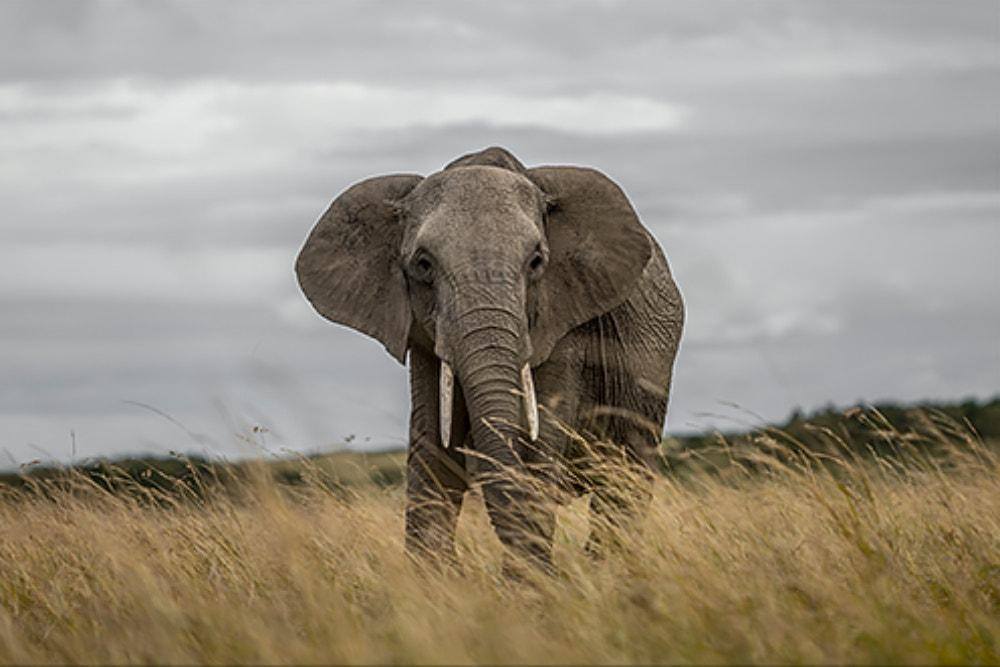
If you’re interested in Wildlife Photography in Ethiopia, searching for elephants can provide some incredible opportunities.
But patience is essential.
You won’t necessarily have elephants standing conveniently in an open space waiting for the perfect photograph.
A camera with a good zoom lens can therefore be useful, while binoculars are well worth bringing even if photography isn’t your main interest.
More importantly, never approach an elephant simply to get a better picture.
African elephants are enormous and powerful wild animals.
Always maintain a safe distance and follow the instructions of your guide and park scouts.
And remember that the most memorable wildlife photograph isn’t necessarily a close-up.
An elephant disappearing between trees, a herd moving across a distant landscape or even fresh footprints along a trail can sometimes tell the story of your journey far better.
Why Elephant Conservation Matters
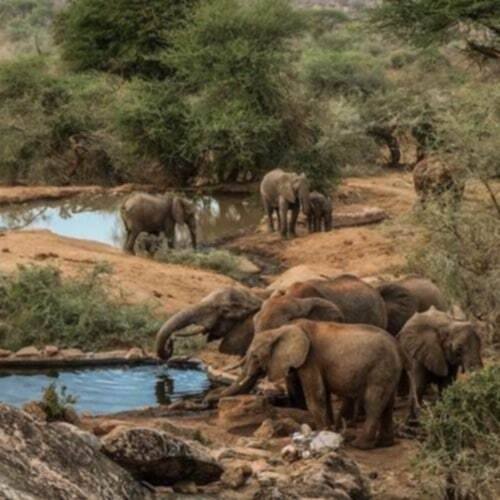
The challenges facing African elephants extend far beyond Ethiopia. The International Union for Conservation of Nature (IUCN) classifies the African savanna elephant as Endangered, with habitat loss and poaching among the major threats to its survival.
Ethiopia’s remaining wild elephants are part of a much larger conservation story.
Historically, elephants occupied a considerably wider area. Today, populations survive within increasingly important protected areas and surrounding landscapes.
Protecting African elephant habitat doesn’t benefit elephants alone.
Elephants influence the landscapes through which they move. Their feeding habits, movements and seed dispersal can affect vegetation and other species, which is why they’re sometimes described as ecosystem engineers.
But elephant conservation also involves people.
In some parts of Ethiopia, elephants and communities live close to one another and may depend upon the same landscapes and natural resources.
Habitat change and human-wildlife conflict can therefore create complicated conservation challenges.
Responsible tourism isn’t a solution to all of these problems, but visiting responsibly can help demonstrate that living wildlife and protected natural landscapes have value.
Responsible Elephant Tourism in Ethiopia
Wherever you choose to search for elephants, the welfare of the animals and respect for the landscape should always come first.
Keep an appropriate distance from elephants and other wildlife. Never feed, chase or attempt to attract an animal simply for a photograph. Avoid unnecessary noise during sightings, don’t leave rubbish behind and always follow the instructions of your local guides and park scouts.
And respect the communities you encounter along the way.
The elephants don’t exist for our entertainment.
We’re visitors in their environment.
Approaching an elephant encounter with that attitude doesn’t make the experience less exciting.
It makes it more meaningful.
Frequently Asked Questions About Wild Elephants in Ethiopia
How Likely Are You to See Wild Elephants in Ethiopia?
Seeing wild elephants in Ethiopia is certainly possible, but there is no guarantee that you’ll encounter them during your visit.
Your chances depend on several factors, including the national park you visit, the time of year, weather conditions and how much time you spend searching.
Elephants can move across large areas in search of food and water, and dense vegetation can make them surprisingly difficult to spot.
Travelling with experienced local guides and park scouts can help you identify signs of elephant activity and search suitable areas, but even the most knowledgeable guides cannot guarantee a sighting.
If elephants are your main reason for visiting Ethiopia, we recommend allowing sufficient time for your wildlife experience rather than relying on a brief visit.
Is Trekking to See Wild Elephants in Ethiopia Safe?
Trekking through elephant habitat can be an incredible experience, but it is important to remember that African elephants are large, powerful and potentially dangerous wild animals.
Elephants can behave unpredictably, particularly when startled, threatened or protecting their young.
For this reason, you should never attempt to approach or track wild elephants independently.
Any walking experience should be arranged with knowledgeable local guides and authorised park scouts, who can assess the terrain, animal behaviour and conditions before deciding whether it is appropriate to proceed.
Visitors must follow their instructions, maintain a safe distance and never attempt to approach elephants for photographs.
Not every elephant destination is suitable for walking safaris, and sometimes observing wildlife from a vehicle or a safe distance is the more appropriate option.
Your safety and the welfare of the elephants must always come first.
Can You Go on an Elephant Safari in Ethiopia?
Yes. Ethiopia offers opportunities to search for wild African elephants in several protected areas, including Chebera Churchura, Mago, Omo, Gambella, Babile and Kafta-Sheraro.
However, an Ethiopian elephant safari can be quite different from the more established safari experiences found in Kenya or Tanzania.
Many of Ethiopia’s elephant habitats are remote, with limited tourism infrastructure and large areas of wilderness.
This makes careful planning, local knowledge and flexibility particularly important.
At Abyssinia Explorer Tours, we can help you explore suitable options based on your interests, travel dates and the conditions at your chosen destination.
Are Ethiopian Elephants Different From Other African Elephants?
Ethiopia’s elephants are part of Africa’s wider elephant population rather than a completely separate species unique to Ethiopia.
African savanna elephants (Loxodonta africana) are found in several Ethiopian wildlife landscapes.
Elephants in different regions may live in very different environments, from relatively dry woodland to greener forests and river systems.
These differences in habitat and behaviour make exploring Ethiopia’s elephant populations particularly interesting for wildlife enthusiasts.
Can You Combine an Elephant Safari With Other Tours in Ethiopia?
Absolutely. One of the advantages of exploring Ethiopia is the opportunity to combine wildlife with the country’s history, culture and landscapes.
For example, a visit to Mago National Park could potentially be incorporated into a wider Omo Valley adventure, while Babile Elephant Sanctuary can be combined with a visit to historic Harar.
Other possibilities may include trekking, cultural experiences, wildlife photography or exploring some of Ethiopia’s lesser-known destinations.
At Abyssinia Explorer Tours, we can help you plan a journey that reflects your interests rather than following one fixed itinerary.
All itineraries are subject to local access, safety conditions and the availability of suitable guides and permits.
How Many Wild Elephants Are Left in Ethiopia?
The exact number of wild elephants remaining in Ethiopia is uncertain, with estimates varying between surveys and reporting periods.
The Elephant Protection Initiative reports a historical estimate of 1,017 elephants, based on figures from the 2016 African Elephant Status Report.
These figures illustrate the importance of protecting Ethiopia’s remaining elephant populations, although they should not be treated as a confirmed current count.
Experience the Wild Elephants of Ethiopia With Abyssinia Explorer Tours
Ethiopia has far more wildlife experiences than many travellers realise.
Beyond the famous mountains, historic sites and cultural attractions are vast landscapes where elephants and many other wild animals continue to live.
And no two elephant destinations are exactly alike.
You could explore Mago and Omo as part of an adventure through southern Ethiopia, venture west towards the wetlands and grasslands of Gambella, combine Babile with historic Harar, search the wilderness of Chebera Churchura or discover the lesser-known wildlife landscapes of northern Ethiopia.
At Abyssinia Explorer Tours, we can organise elephant-focused journeys as well as wider wildlife, cultural, trekking and adventure experiences throughout Ethiopia.
Tell us what you want from your journey.
Perhaps seeing wild elephants in Ethiopia is your main ambition.
Perhaps you’d like to combine wildlife with the Omo Valley.
Maybe you’re a photographer.
Or perhaps elephants are simply one experience you’d love to include as part of a much bigger Ethiopian adventure.
We can help you choose the destination according to your interests, the time you have available and the season you’re travelling.
We can’t promise exactly where the elephants will be.
Nobody should.
But we can take you into their world and help you search for them.
And sometimes, after following footprints through the wilderness and wondering what might be waiting beyond the next line of trees, you finally see them.
That’s when the search becomes part of the story.
Abyssinia Explorer Tours
Explore Ethiopia, One Trail at a Time.
📩 Email: abyssiniaexplorer@gmail.com
💬 WhatsApp: +251 94 646 1622 / +44 7719 426276
📸 Instagram: @abyssiniaexplorertours
Come and see the Simien Mountains through our trekkers’ eyes.
***Read more About Us and Our Tour Business Here <<