Explore Ethiopia’s Afar Region – Volcanoes, Salt Miners & Afar Culture
Far beyond Ethiopia’s green highlands and historic cities lies a place unlike almost anywhere else on Earth.
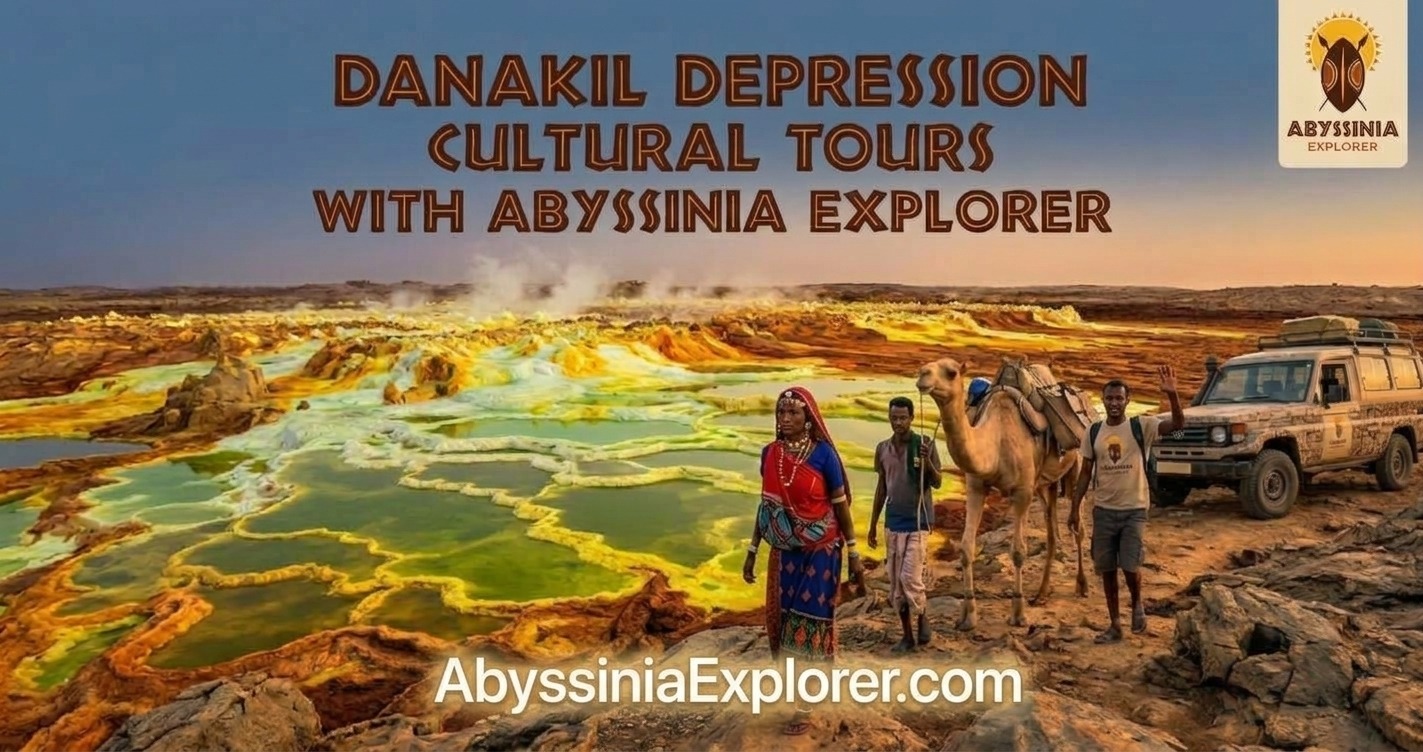
Welcome to the Danakil Depression, a vast and extraordinary landscape of salt plains, active volcanoes, colourful geothermal formations and ancient traditions in north-eastern Ethiopia’s Afar region.
Often described as one of the hottest places on Earth, the Danakil is a destination where nature reveals some of its most powerful and unusual features.
Here, enormous salt flats stretch towards the horizon, mineral-rich springs create landscapes of yellow, green, orange and white, and volcanic mountains rise from the desert.
But there is another side to this remarkable destination.
The Danakil Depression is also the homeland of the Afar people, whose history, traditions and livelihoods are closely connected to this challenging environment.
From the traditional salt miners and their camel caravans to the communities that have lived in the region for generations, the cultural experiences of the Danakil are every bit as fascinating as its natural wonders.
At Abyssinia Explorer Tours, we believe that exploring Ethiopia should be about more than simply visiting famous attractions. It should also be about discovering the people, traditions and stories that make each destination unique.
In this guide, we’ll explore the Danakil Depression’s remarkable geological features, the culture of the Afar people, traditional salt mining, and what travellers should know before planning an adventure into this extraordinary part of Ethiopia.
Where Is the Danakil Depression in Ethiopia?
The Danakil Depression is located in northeastern Ethiopia, within the Afar region, close to the borders with Eritrea and Djibouti.
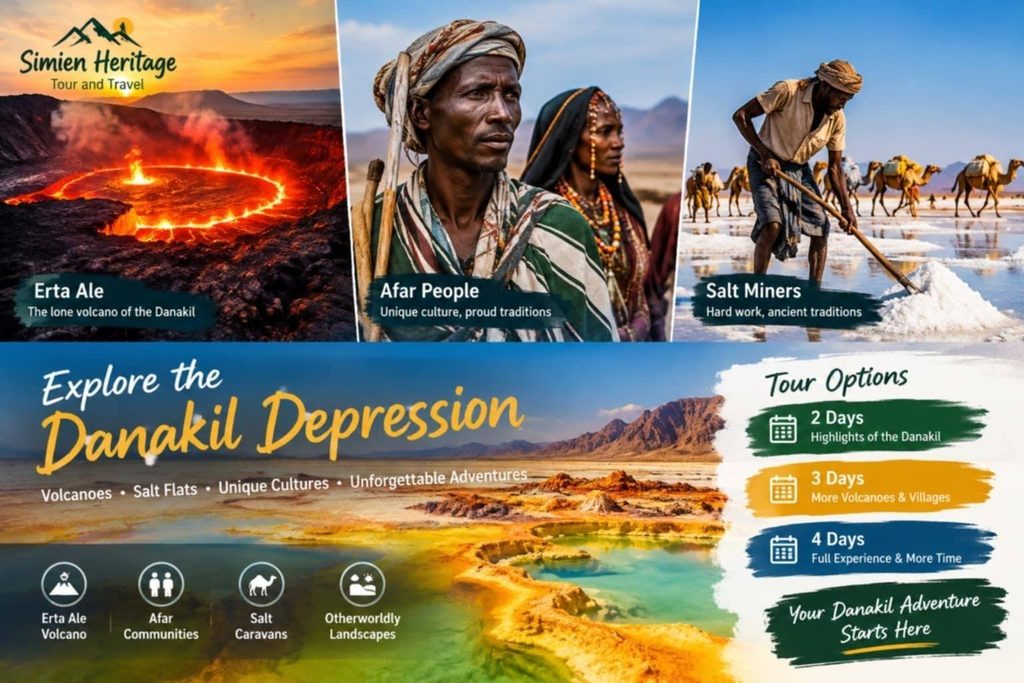
It forms part of the larger Afar Depression, a geologically active area where three tectonic plates are gradually moving apart, a process known as continental rifting.
This movement has helped create a landscape of volcanic mountains, deep basins, geothermal activity and enormous salt deposits.
Some areas of the Danakil Depression lie approximately 120 metres below sea level, making it one of the lowest places on the African continent.
The region is also famous for its extreme climate. Temperatures remain high throughout much of the year, and the combination of intense heat, limited rainfall and remote terrain makes it a challenging environment to explore.
Yet these same conditions have helped create some of Ethiopia’s most spectacular natural attractions.
Among the best-known are Dallol, Lake Karum and Erta Ale Volcano, each offering a completely different perspective on this unusual landscape.
Danakil Depression Geographical Features: A Land of Fire, Salt and Colour
The Danakil Depression is often compared to another planet, and once you see photographs of its extraordinary landscapes, it is easy to understand why.
Few destinations combine such dramatic geological features within one region.
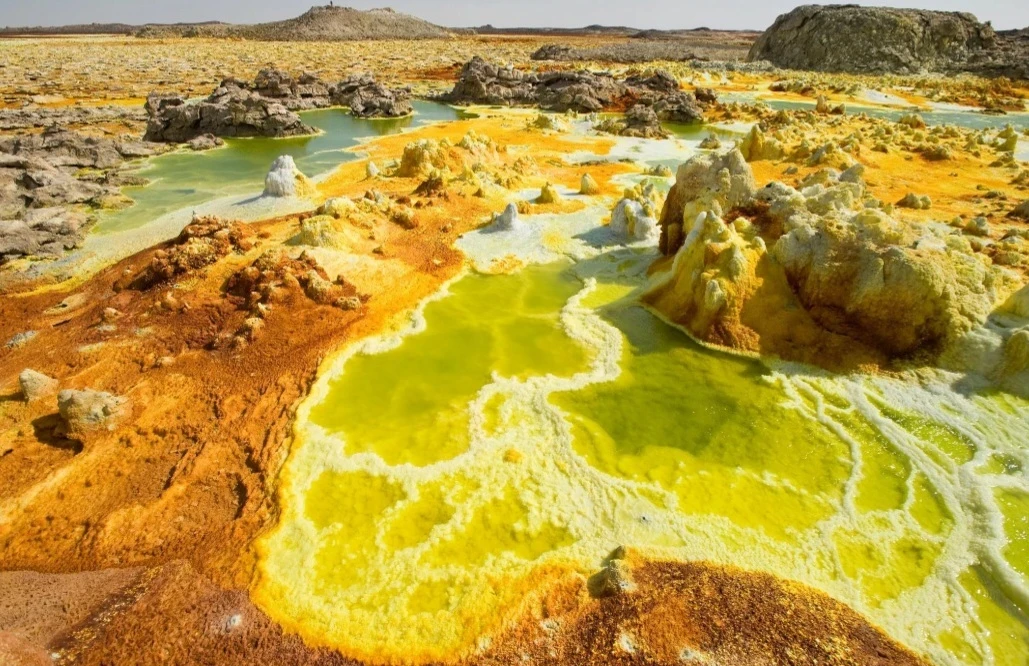
From colourful geothermal springs to volcanic mountains and endless white salt plains, the Danakil offers an opportunity to witness some of the powerful natural processes that continue to shape our planet.
Dallol: Ethiopia’s Colourful Geothermal Wonderland
One of the most remarkable attractions in the Danakil Depression is Dallol, an extraordinary geothermal area famous for its colourful mineral formations.
Here, underground heat, mineral-rich water and chemical reactions have created a landscape that looks almost unreal.
Bright yellow, orange and green deposits surround pools of highly acidic water, while salt formations and geothermal vents add to the unusual scenery.
The colours and formations can change over time as minerals accumulate, dissolve and react with the surrounding environment.
Dallol is not simply a beautiful place to photograph. It is also an important location for scientists studying extreme environments and the geological processes that take place beneath the Earth’s surface.
However, this is not somewhere visitors should explore independently. The area contains dangerous acidic pools, unstable ground, extreme heat and potentially hazardous gases.
Any visit requires careful planning, local expertise and appropriate safety precautions.
Lake Karum: The Endless Salt Plains of the Danakil
Another unforgettable feature of the Danakil Depression is Lake Karum, also known as Lake Assale.
This vast salt-covered landscape creates one of the most striking sights in northeastern Ethiopia.
In some places, the white surface appears to stretch endlessly into the distance, creating an almost otherworldly atmosphere.
Depending on the conditions, shallow water can cover sections of the salt flats, producing reflections of the sky and surrounding landscape.
But Lake Karum is more than a natural attraction.
For generations, the surrounding salt deposits have provided an important livelihood for local communities, particularly the Afar people.
This is where visitors may have the opportunity to learn about the region’s traditional salt-mining practices and the camel caravans historically used to transport salt across the desert.
Erta Ale: The Famous Danakil Depression Volcano
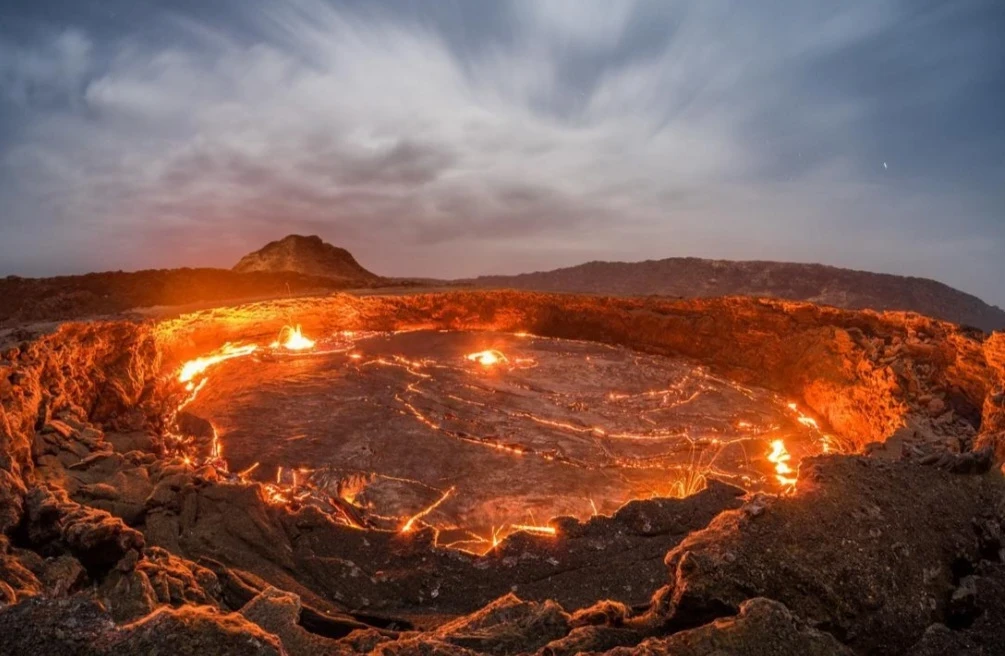
For travellers fascinated by volcanoes, Erta Ale is one of the Danakil Depression’s most famous attractions.
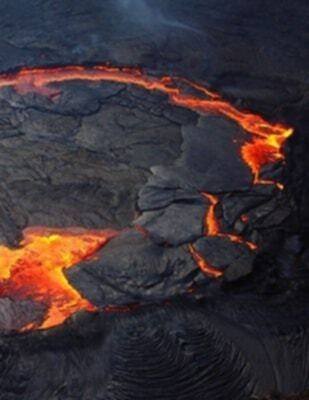
Located within the Erta Ale volcanic range, this active shield volcano has become internationally known for its volcanic activity and its history of hosting a persistent lava lake.
The name Erta Ale is commonly translated as Smoking Mountain in the Afar language.
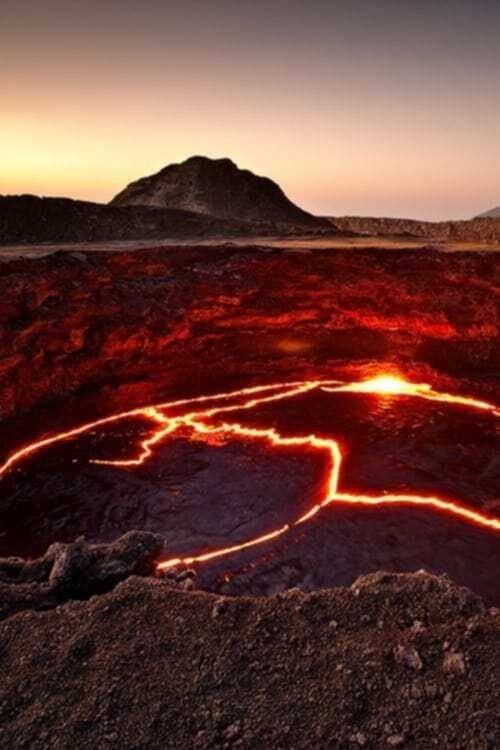
The surrounding landscape is dominated by dark volcanic rock, lava fields and rugged desert terrain, offering a dramatic contrast to the colourful mineral formations of Dallol.
Under suitable conditions, visitors may have opportunities to observe volcanic activity from authorised viewing areas.
However, volcanic conditions can change, and an active lava lake or visible flowing lava should never be guaranteed.
Access to Erta Ale also depends on current volcanic activity, security conditions, local restrictions and the availability of safe routes.
For those interested in geology, the volcano remains one of the most fascinating features of the wider Danakil region.
Danakil Depression Cultural Experiences: Discover the Afar People
While the Danakil Depression’s volcanic landscapes attract considerable attention, its cultural heritage is equally important.
The region is home to the Afar people, an ethnic community whose traditions and way of life have developed over generations across parts of Ethiopia, Eritrea and Djibouti.
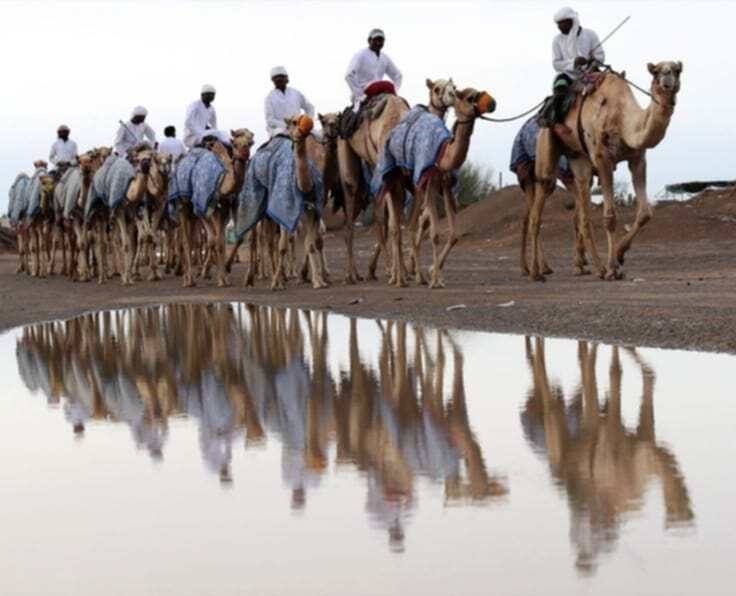
Understanding their relationship with the desert offers visitors a deeper appreciation of the Danakil Depression.
The Afar Tribe of the Danakil Depression
The Afar people have a long history in the region, with pastoralism, livestock herding, trade and salt extraction playing important roles in many communities. Their traditional relationship with this extraordinary landscape is explored in National Geographic’s The Salt and the Earth.
Traditionally, pastoralist families have moved with their livestock in response to seasonal conditions and the availability of grazing land and water.
Camels, goats, sheep and cattle have all been important to Afar livelihoods, although practices vary between communities.
The Afar also maintain distinctive cultural traditions, including their language, customary social institutions, oral histories and community relationships.
Like any culture, Afar society is not static. Communities continue to adapt to changing economic, environmental and social conditions while maintaining important elements of their heritage.
For travellers interested in Danakil Depression tribes and traditions, learning about the Afar people can be one of the most meaningful aspects of exploring the region.
Traditional Afar Culture and Local Communities
The Danakil Depression is not simply an empty wilderness waiting to be explored.
It is a homeland with its own history, communities and cultural identity.
Where appropriate arrangements have been made, cultural experiences may provide opportunities to learn about local livelihoods, traditional customs and everyday life.
These encounters can offer a different perspective on the region, beyond its famous volcanoes and salt flats.
At Abyssinia Explorer Tours, we believe that cultural tourism should be approached with respect for the people who call these places home.
Community visits should take place with local agreement, and visitors should always ask permission before photographing people, homes or private activities.
The aim should be to encourage genuine cultural understanding rather than treating local communities as tourist attractions.
Danakil Depression Salt Miners: An Ancient Desert Tradition
One of the most fascinating cultural experiences associated with the Danakil Depression is the region’s traditional salt trade.
For generations, Danakil Depression salt miners have worked in the harsh conditions of the salt flats, extracting blocks of salt that can be transported and sold.
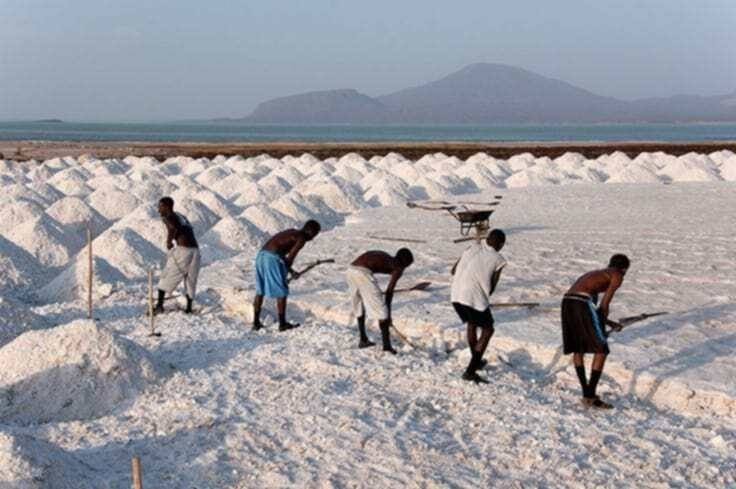
Historically, salt was an extremely valuable commodity in Ethiopia and played an important role in trade across the region.
In earlier periods, shaped salt bars known as amole were even used as a form of currency.
Although modern transport and commercial mining have changed parts of the industry, traditional salt extraction remains an important part of the region’s cultural and economic history.
How Is Salt Mined in the Danakil Depression?
Traditional salt extraction involves cutting blocks from the thick salt deposits found across parts of the Danakil.
Workers use hand tools to separate the salt into manageable pieces before shaping and preparing it for transport.
It is physically demanding work, made considerably more difficult by the intense desert heat.
The salt may then be transported by camels or vehicles, depending on the location and trading arrangements.
For visitors, observing this process where permitted offers an opportunity to appreciate the skill, effort and experience involved in a livelihood that has supported communities for generations.
The Famous Danakil Salt Caravans
Camel caravans are among the most recognisable images associated with the Danakil Depression.
For centuries, camels have been used to transport salt across difficult desert terrain and towards trading centres beyond the salt flats.
These journeys formed part of important commercial routes connecting the Afar lowlands with the Ethiopian highlands and surrounding regions.
Although modern transportation has altered traditional trading patterns, camel caravans remain an important symbol of the region’s history.
Seeing the salt trade in action, where it still takes place and access is permitted, can provide a fascinating insight into the relationship between the Afar people and their environment.
It is also a reminder that the Danakil Depression is not only a geological wonder but a place where people continue to work and make a living.
Why Is the Danakil Depression Called the Hottest Place on Earth?
The Danakil Depression is frequently described as one of the hottest places on Earth, thanks to its exceptionally high average temperatures.
Its low elevation, dry desert climate and geographical setting all contribute to the intense heat experienced throughout much of the year.
Around Dallol, historical average annual temperatures have been recorded at approximately 35–38°C, making the area particularly notable for its sustained heat, as documented in scientific research on the Dallol geothermal area.
Daytime temperatures can climb well above 40°C, with extreme conditions sometimes exceeding 50°C.
These temperatures make travelling through the region physically demanding, particularly when combined with limited shade and long distances between settlements.
For this reason, heat management is one of the most important considerations when planning any Danakil Depression adventure. The World Health Organization’s advice on extreme heat provides useful information about the dangers of heat exposure and the importance of preventing heat-related illness.
Visitors should be prepared for high temperatures, carry adequate drinking water and avoid unnecessary physical exertion during the hottest parts of the day.
Danakil Depression Travel Tips: Planning Your Adventure
Visiting the Danakil Depression is very different from exploring Ethiopia’s historic cities or mountain landscapes.
The remote environment, extreme temperatures, limited infrastructure and changing security conditions all require careful consideration.
What Is the Best Time to Visit the Danakil Depression?
The cooler months, generally from November to February, are often considered the most favourable period for visiting the Danakil Depression.
Temperatures can still be extremely hot, but conditions are generally less severe than during the peak summer months.
March and October can also be very warm, while the hottest part of the year can make extended outdoor activities particularly challenging.
Seasonal conditions are only one consideration, however. Security restrictions, road accessibility and volcanic activity must also be assessed before any journey.
How Do You Get to the Danakil Depression?
The Danakil Depression is generally approached overland using suitable four-wheel-drive vehicles.
Travel routes have historically included journeys through northern Ethiopia, with Mekele serving as a common departure point for some Danakil itineraries.
However, access routes and transport arrangements can change significantly because of regional security conditions and restrictions.
Visitors should not assume that a previously published itinerary or route is currently accessible.
Before making arrangements, it is essential to confirm the latest travel restrictions and whether the proposed journey can be undertaken safely and legally.
What Should You Pack for a Danakil Depression Trip?
Packing appropriately is essential for a journey into such an extreme environment.
Important items include:
- Lightweight, breathable clothing suitable for desert temperatures
- A wide-brimmed hat and sunglasses
- High-factor sunscreen
- Sturdy, comfortable footwear
- Adequate supplies of safe drinking water
- Oral rehydration salts
- Personal medication and a basic first-aid kit
- A torch or headlamp where overnight activities are planned
- A power bank for electronic devices
- A light layer for cooler conditions, where appropriate
Travellers should also confirm what water, equipment, accommodation and emergency support are included in their arrangements.
Explore Our Danakil Depression Cultural Tours
At Abyssinia Explorer Tours, our aim is to help visitors discover the extraordinary landscapes and cultural heritage of Ethiopia through thoughtfully planned travel experiences.
Our Danakil Depression itineraries are designed around different trip lengths, allowing travellers to explore the options that best suit their interests and available time.
All proposed visits are subject to current security conditions, official restrictions, local access permissions and operational feasibility.
2 Days / 1 Night Danakil Depression Tour
For travellers with limited time, our shorter Danakil Depression itinerary provides an introduction to the region.
Explore Our 2-Day Danakil Depression Tour
3 Days / 2 Nights Danakil Depression Tour
Our three-day itinerary offers an extended option for travellers who want to dedicate more time to exploring this unusual part of Ethiopia.
Explore Our 3-Day Danakil Depression Tour
4 Days / 3 Nights Danakil Depression Tour
For those considering a longer adventure, our four-day itinerary provides another option for discovering the Danakil region.
Explore Our 4-Day Danakil Depression Tour
Please review the individual itineraries for the proposed destinations, activities and arrangements. Specific attractions and experiences depend on local conditions and access permissions.
Danakil Depression FAQs
Is the Danakil Depression Safe to Visit?
The Danakil Depression is an extraordinary but challenging destination, with extreme temperatures, volcanic activity, remote terrain and potential security concerns.
Safety conditions can change, so travellers should check the latest official travel advisories issued by their own country’s government before planning a visit. It is also important to confirm local access restrictions, travel insurance coverage and the availability of experienced local guides.
At Abyssinia Explorer Tours, we encourage responsible travel and recommend discussing current conditions and practical arrangements with our team before booking a Danakil Depression adventure.
What Tribe Lives in the Danakil Depression?
The Afar people are the principal ethnic community associated with the Danakil Depression. They have a long history in the region, with pastoralism, salt extraction and trade forming important parts of their traditional livelihoods. Their language, customs and relationship with the desert are central to the region’s cultural heritage.
How Hot Does the Danakil Depression Get?
The Danakil Depression is one of the hottest regions on Earth, with daytime temperatures frequently exceeding 40°C and sometimes rising above 50°C. The Dallol area is especially notable for its exceptionally high average annual temperatures. Even during the cooler months, visitors must take precautions against dehydration and heat-related illness.
How Do You Get to the Danakil Depression?
The Danakil Depression is generally reached by overland transport in suitable four-wheel-drive vehicles. Routes have historically operated from northern Ethiopian destinations such as Mekele, although access can change because of security restrictions and road conditions. Travellers should verify current transport arrangements and official travel advice before making plans.
What Is the Best Time of Year to Visit the Danakil Depression?
November to February generally offers the most manageable temperatures for exploring the Danakil Depression. However, conditions remain hot throughout the year, and weather alone should not determine whether a trip proceeds. Security, volcanic activity and local access restrictions are equally important.
Can You Drink the Water in the Danakil Depression?
Visitors should not drink untreated water from local sources in the Danakil Depression. The region’s geothermal pools and salt lakes are particularly dangerous and must never be treated as drinking-water sources. Carry adequate bottled or properly treated drinking water, and confirm reliable supplies before any journey.
How Much Does a Danakil Depression Tour Cost?
The Danakil Depression tour cost depends on the length of the itinerary, transport arrangements, accommodation, group size and included activities. Additional expenses may include permits, specialist support and other logistical requirements. For an accurate quotation, contact Abyssinia Explorer Tours with your preferred dates and itinerary.
What Should You Pack for a Danakil Depression Trip?
Essential items include lightweight clothing, sun protection, sturdy footwear, drinking water, personal medication and a basic first-aid kit. A torch, power bank and suitable overnight equipment may also be needed depending on your itinerary. Always check with your tour organiser about equipment, supplies and emergency arrangements.
Why Visit the Danakil Depression?
The Danakil Depression is unlike almost anywhere else in Ethiopia.
It is a place where vast salt plains meet volcanic mountains, where mineral-rich springs create extraordinary colours, and where the forces shaping our planet can be seen in dramatic detail.
But what makes the Danakil truly fascinating is that its story goes far beyond geology.
It is also the story of the Afar people, their traditions, their livelihoods and their remarkable connection to one of the world’s most challenging environments.
From the ancient salt trade to the spectacular landscapes of Dallol and Erta Ale, the Danakil offers a combination of natural and cultural heritage that few destinations can match.
For travellers who appreciate unusual landscapes, geological history and meaningful cultural experiences, the Danakil Depression is certainly a destination worth learning about.
At Abyssinia Explorer Tours, we are passionate about introducing visitors to Ethiopia’s remarkable landscapes, history and communities through responsible, locally informed travel.
If you would like to learn more about our Danakil Depression cultural tours, proposed itineraries or current travel arrangements, please get in touch.
You can also follow us on Instagram for more inspiration, photographs and stories from across Ethiopia.
Abyssinia Explorer Tours — Explore Ethiopia, One Trail at a Time.