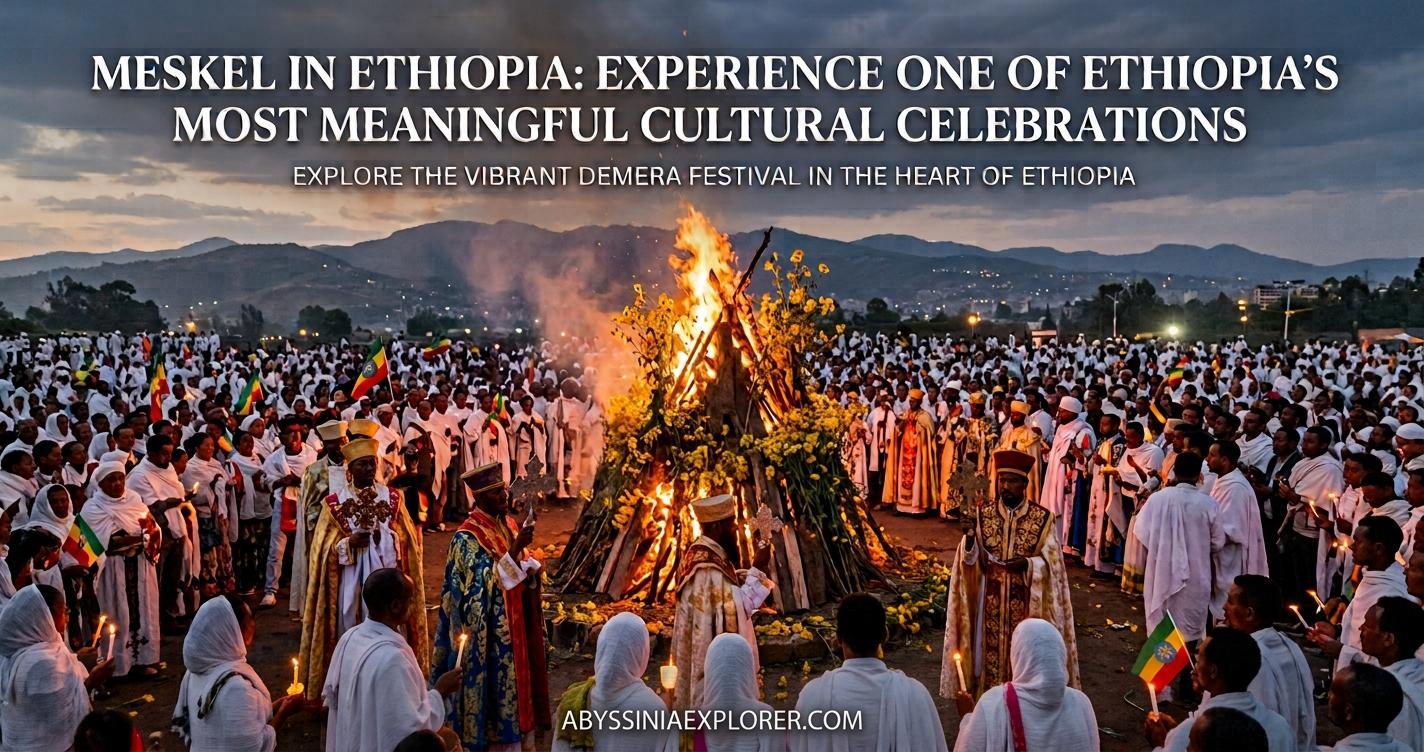
Fire, Faith, Tradition & Community — Discover Meskel In Ethiopia with Abyssinia Explorer Tours
Every year, Ethiopia comes alive with colour, music, prayer, dancing and community as people across the country come together to celebrate Meskel, the commemoration of the finding of the True Holy Cross.
For visitors to Ethiopia, Meskel is much more than a festival to watch.
It is an opportunity to experience Ethiopian culture as it is lived — to see communities coming together, hear traditional religious songs and prayers.
Witness the spectacular Demera wood fire or Fennel plant fire, and discover traditions that have been passed from one generation to the next.
Meskel was inscribed on UNESCO’s Representative List of the Intangible Cultural Heritage of Humanity in 2013, recognising both its religious importance and its wider cultural significance in Ethiopia.
At Abyssinia Explorer Tours, we believe travelling through Ethiopia is not only about visiting famous places. It is about experiencing the people, traditions, landscapes, history, food, celebrations and everyday life that make the country unique.
And Meskel is a perfect example.
What is Meskel Festival In Ethiopia?
Meskel is one of Ethiopia’s most important Orthodox Christian celebrations, commemorating the finding of the True Cross.
The celebration takes place across Ethiopia, with particularly large gatherings in Addis Ababa.
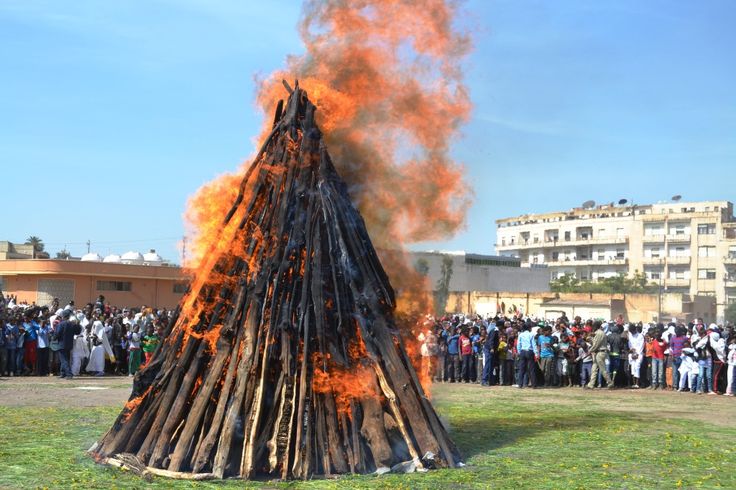
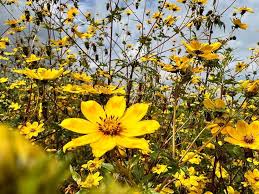
One of the central parts of the celebration is the Demera, a large cone-shaped wood fire / Fennel plant fire traditionally constructed from poles, branches and torches and decorated with grass and yellow Abyssinian daisies.
As the celebration develops, priests, worshippers and communities gather around the Demera for prayers, hymns, processions and traditional dancing.
The ceremony reaches its spectacular climax when the bonfire is set alight.
But the meaning of Meskel goes far beyond the fire itself.
It is also a time when families come together, communities gather and people return home to celebrate with relatives and friends.
UNESCO describes Meskel as an occasion that helps promote spiritual life through reconciliation, social cohesion and peaceful coexistence.
Why is Meskel important in Ethiopia
Meskel is important in Ethiopia because it brings together religion, history, family and community in one of the country’s most recognisable annual celebrations.
For followers of the Ethiopian Orthodox Tewahedo Church, Meskel has deep religious significance. It commemorates the tradition of the discovery of the True Cross upon which Jesus Christ was crucified.
However, the importance of Meskel extends beyond the religious ceremony itself.
The festival has been passed from generation to generation and has become part of Ethiopia’s wider cultural heritage. Families reunite, communities celebrate together and local churches play an important role in organising and preserving the traditions associated with the festival.
There is also an emphasis on reconciliation. Traditionally, disagreements should be settled before the celebration, reinforcing the idea of Meskel as a time of renewal, peace and togetherness.
This combination of faith, family and community is one of the reasons Meskel remains such an important celebration in Ethiopia today.
How is Meskel Celebrated In Ethiopia?
Meskel celebrations vary slightly between communities and regions, but the Demera wood fire remains one of the most recognisable traditions.
Preparations begin before the main celebration as communities collect wood, branches and other materials to construct the bonfire.
The Demera is traditionally decorated with fresh grass and yellow flowers before people gather for the ceremony.
Priests and deacons dressed in colourful ceremonial robes take part in processions, prayers and hymns, while groups perform traditional religious songs and rhythmic dances.
As evening approaches, anticipation builds around the Demera.
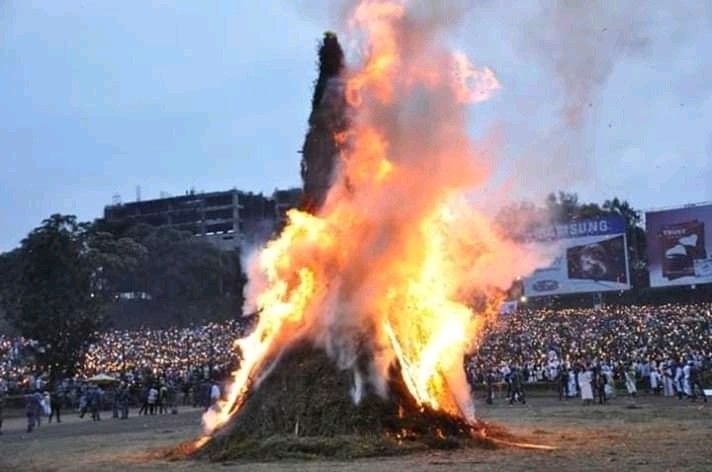
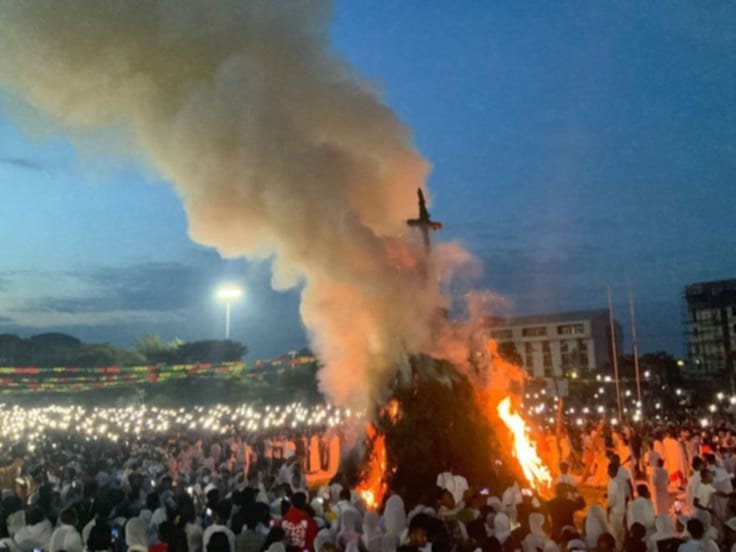
When the bonfire is finally lit, flames and smoke rise above the crowd while thousands of people watch, sing and celebrate.
Smaller versions of the ceremony can also take place within neighbourhoods and local communities.
Afterwards, Meskel continues as a time for families, friends and communities to gather, share food and celebrate together.
How is Meskel Celebrated in Addis Ababa
If you want to witness Meskel on its largest scale, Addis Ababa is one of the most spectacular places to experience it.
The centre of the celebrations is appropriately named Meskel Square.
Hundreds of thousands of people can gather around the square, including worshippers, priests, church choirs, visitors and local families.
The huge Demera dominates the celebration while priests and deacons wearing colourful ceremonial clothing perform prayers, hymns and processions.
Traditional music and religious chanting create an atmosphere that is difficult to appreciate until you experience it in person.
The lighting of the Demera is the climax of the ceremony, transforming Meskel Square into an extraordinary scene of fire, smoke, music and celebration.
For an international visitor, experiencing Meskel in Addis Ababa can provide an unforgettable introduction to Ethiopian Orthodox traditions and the enormous cultural importance of the festival.
How is Meskel Celebrated in Gondar
Gondar offers a different atmosphere for experiencing Meskel.
Known for its royal history, castles and important Ethiopian Orthodox churches, Gondar provides a fascinating setting in which to experience the festival.
Celebrations include church services, prayers, processions, traditional singing and community Demera ceremonies.
Compared with the enormous gathering at Meskel Square in Addis Ababa, experiencing Meskel in Gondar can also provide an opportunity to see how the festival forms part of everyday community life.
It can be particularly interesting for travellers already exploring Gondar’s historic sites, including Fasil Ghebbi, which is recognised as a UNESCO World Heritage Site.
Combining Gondar’s history with Meskel celebrations can provide a deeper insight into the religious and cultural traditions that continue to shape life in this part of Ethiopia.
Why Do Ethiopians Celebrate Meskel Festival
Ethiopians celebrate Meskel to commemorate the finding of the True Cross.
According to Christian tradition, Saint Helena — known as Queen Eleni in Ethiopian tradition — searched for the cross upon which Jesus Christ had been crucified.
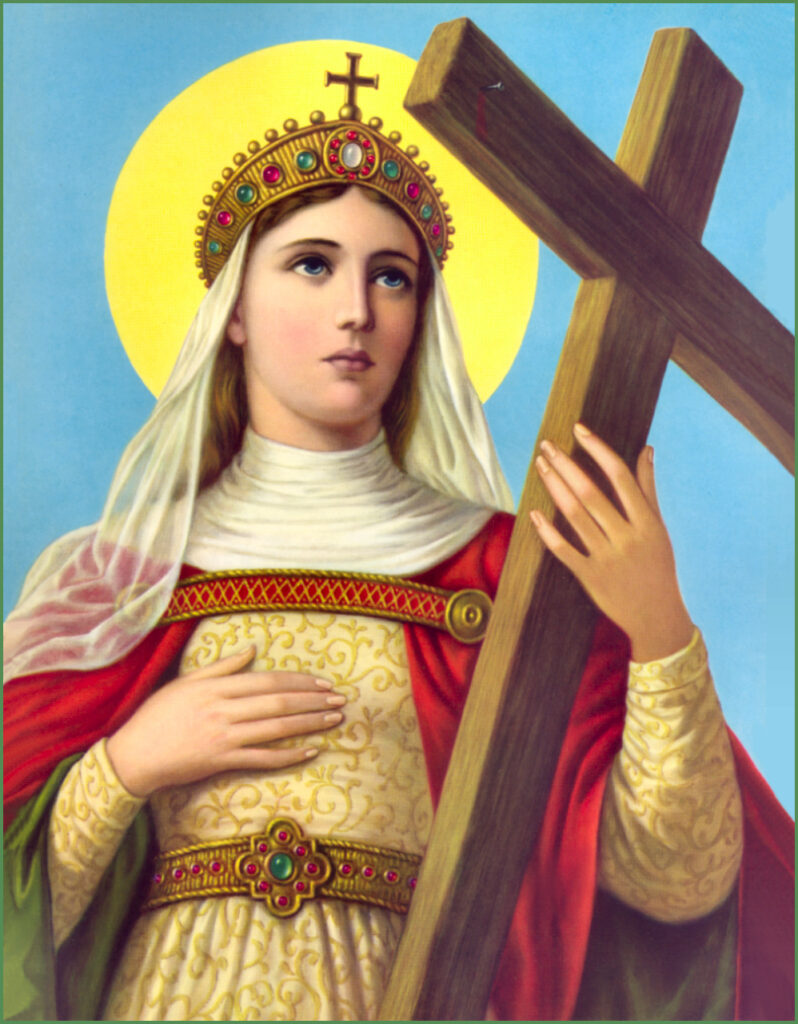
The tradition tells that she was guided towards its location by the smoke from a fire.
This story is represented symbolically through the lighting of the Demera bonfire during Meskel.
For Ethiopian Orthodox Christians, the festival therefore carries profound religious meaning.
At the same time, centuries of tradition have made Meskel an important cultural and social occasion, bringing families and communities together across Ethiopia.
How To Experience Meskel as an International Traveller?
For a visitor, seeing Meskel is a chance to experience a very different side of Ethiopia. Rather than simply taking photographs and moving on, our aim is to help you understand what you are seeing.
Depending on your itinerary and location, we can help you experience:
- Meskel celebrations and Damera ceremonies
- Traditional singing and dancing
- Ethiopian Orthodox churches and religious traditions
- Local communities and everyday iife
- Ethiopian food and coffee culture
- Historic sites and ancient traditions
- Local markets and traditional crafts
- UNESCO World Heritage sites
- Local guides who can explain the history and culture
The exact experience can vary depending on where you travel and the local celebrations taking place.
What Does the Meskel Bonfire Represent?
The Meskel bonfire, known as the Demera, is one of the most recognisable symbols of the festival.
According to the tradition behind Meskel, Saint Helena was guided towards the location of the True Cross by smoke.
The smoke and flames of the Demera therefore symbolise the search for and discovery of the cross.
UNESCO documentation describes the great Demera and its smoke as representing Helena’s search for the True Cross and the incense smoke associated with discovering its location.
The woodfire/ Fennel plant/ fire has also become a powerful symbol of the festival itself, bringing entire communities together for prayer, celebration and remembrance.
When is Meskel Celebrated in Ethiopia?
Meskel is celebrated every year in September, shortly after the Ethiopian New Year.
The main Demera celebration normally takes place on 26 September, followed by the Feast of Meskel on 27 September.
In years preceding an Ethiopian leap year, the dates can shift by one day.
For international travellers planning specifically around Meskel, it is always worth confirming the exact year’s schedule before arranging flights and accommodation.
If Meskel is one of the main reasons for your trip, we can help plan your itinerary so you are in the right location for the main celebrations.
How Long Does Meskel Celebration Last?
The main public Meskel celebrations are centred around the Demera ceremony and the feast that follows, although preparations and associated religious and community activities can extend beyond the main event.
For travellers, it is best to allow at least a couple of days in your chosen destination rather than arriving immediately before the bonfire ceremony.
This gives you time to experience the atmosphere building around the festival and reduces the risk of travel delays causing you to miss the main celebration.
You could also combine Meskel with a longer cultural journey through Ethiopia.
Meskel & Cultural Tours in Ethiopia
Meskel also gives us an opportunity to introduce something we are developing at Abyssinia Explorer Tours — cultural experiences across Ethiopia.
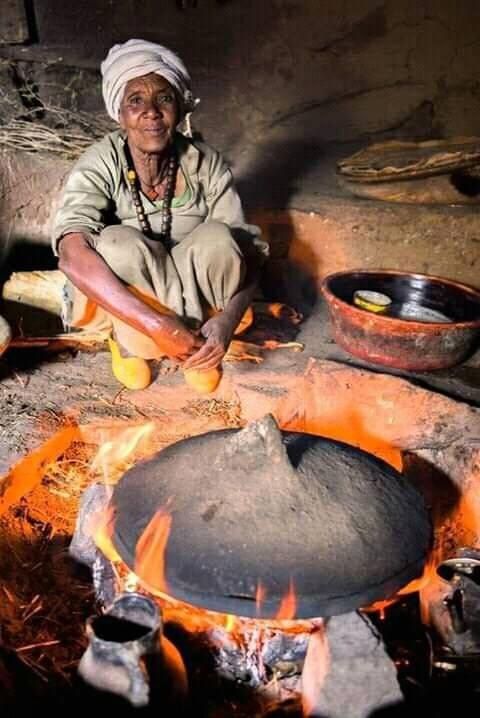
Ethiopia is a country where history, religion, culture, nature and everyday life are deeply connected.
A cultural journey can take you far beyond the main tourist attractions.
You might explore the ancient history of Aksum, discover the rock-hewn churches of Lalibela, walk through the historic streets of Harar, visit the castles of Gondar, experience communities around Lake Tana, or combine cultural experiences with trekking in the Simien Mountains.
Ethiopia currently has 12 properties inscribed on the UNESCO World Heritage List, including:
- Rock-Hewn Churches of Lalibela
- Axum
- Fasil Ghebbi in Gondar
- Harar Jugol
- Simien National Park
And these represent only part of Ethiopia’s extraordinary heritage.
We can create journeys combining these places with local experiences, cultural activities, nature, trekking and opportunities to spend time within local communities.
More Than Sightseeing
We believe travel becomes more meaningful when you have the opportunity to understand the places you visit.
- A church is not simply an old building.
- A festival is not simply something to photograph.
- A market is not simply a place to buy souvenirs.
Behind each place and tradition are stories, people, beliefs, history and generations of knowledge.
That is what we want to share with our guests.
Our local guides can help explain the traditions, history and meaning behind the places you visit while giving you the freedom to experience Ethiopia at your own pace.
Discover Ethiopia Beyond the Usual Route
Whether you are interested in history, culture, religion, food, wildlife, mountains, photography or simply meeting local people, we can help create a journey around your interests.
Our cultural experiences can be combined with some of Ethiopia’s most famous destinations.
Addis Ababa
Discover Ethiopia’s capital through its museums, churches, markets, coffee culture, food and everyday city life.
Gondar
Explore Ethiopia’s historic royal city, its castles and churches, before continuing into the surrounding highlands or towards the Simien Mountains.
Lalibela
Discover the remarkable rock-hewn churches of Lalibela and experience the living religious traditions surrounding one of Ethiopia’s most famous destinations.
Aksum
Explore one of Ethiopia’s most historically significant ancient cities and discover archaeological sites connected with the former Kingdom of Aksum.
Harar
Walk through the historic walled city of Harar Jugol, discovering colourful streets, markets, traditional houses and the city’s distinctive culture.
Simien Mountains
Combine trekking, wildlife, mountain communities and some of Ethiopia’s most dramatic landscapes.
And these are only some of the possibilities.
Meskel Celebration Travel Packages
If you are planning to visit Ethiopia specifically for Meskel, we can help build the celebration into a wider Ethiopian itinerary.
Your journey could combine Meskel with Addis Ababa, Gondar, Lalibela, Aksum, the Simien Mountains or other destinations depending on your interests, available time and current travel conditions.
Rather than offering one fixed Meskel package, we prefer to create journeys around the traveller.
Tell us how long you have, what parts of Ethiopia interest you and the type of experience you are looking for, and we can help put together an itinerary.
Meskel is also a reminder that some of the most memorable travel experiences are not always found at a famous monument or viewpoint.
Sometimes they are found in a crowd gathered around a fire.
- In the sound of singing.
- In a traditional dance.
- In sharing coffee with a local family.
- In walking through an old city.
- Or simply sitting with local people and listening to their stories.
This is the Ethiopia we want our guests to experience.
Abyssinia Explorer Tours
Explore Ethiopia, One Trail at a Time.
Travel With Local Knowledge
At Abyssinia Explorer Tours, we are not simply creating itineraries from a map.
We are creating experiences based on our knowledge of Ethiopia and the places we know and love.
Whether you want to spend a few days discovering Ethiopian culture or combine cultural experiences with a longer trekking or adventure journey, we can create an itinerary around your interests.
We can arrange private journeys, cultural tours, trekking adventures, wildlife experiences and combinations of different regions and activities.
Planning to Visit Ethiopia?
If you are planning a trip to Ethiopia around Meskel, or would like to experience Ethiopian culture at another time of year, get in touch with us.
We can help create a journey combining culture, history, nature, trekking, wildlife and local experiences according to your interests and available time.
Email abyssiniaexplorer@gmail.com
WhatsApp: +44 7719 426276/ +251946461622
Instagram: @abyssiniaexplorertours
Abyssinia Explorer Tours — Tours • Travel • Experiences
Meskel Festival FAQs
Why Do Ethiopians Use Daisies for Meskel?
The distinctive yellow Adey Abeba, or Abyssinian daisies, appear across Ethiopia around the beginning of the Ethiopian New Year and have become closely associated with this period of renewal.
The Demera is traditionally decorated with fresh grass and yellow daisies. UNESCO specifically notes that the grass and Abyssinian daisies decorating the bonfire symbolise the New Year.
What Foods Are Served During Meskel?
Food is an important part of family and community celebrations during Meskel, although dishes can vary between different parts of Ethiopia.
Traditional foods may include injera, doro wat, kitfo and other meat and vegetable dishes, depending on the region and family.
UNESCO’s documentation of Meskel traditions specifically identifies kitfo as an important festival dish in some communities and also records atakaana, a traditional preparation made using false banana dough, milk, cheese, spices and butter.
Of course, Ethiopian coffee often has an important place at family and social gatherings too.
Can Tourists Attend Meskel Celebrations?
Yes. International visitors can experience public Meskel celebrations, and the festival can be an extraordinary time to visit Ethiopia.
Visitors should remember, however, that Meskel is not simply a tourist event. It is an important religious and cultural celebration.
Dress respectfully, follow instructions around ceremonies and crowds, and ask before taking close-up photographs of worshippers.
Travelling with somebody who understands the local traditions can also make the experience considerably more meaningful.
What Should You Wear for Meskel?
There is no special dress code for international visitors attending public Meskel celebrations, but modest and respectful clothing is recommended, particularly when visiting churches or observing religious ceremonies.
Comfortable shoes are also useful because you may spend a considerable amount of time standing or walking.
Evenings can become cool in Ethiopia’s highland cities, including Addis Ababa and Gondar, so bringing an extra layer is sensible.
Where is Meskel Celebrated in Ethiopia?
Meskel is celebrated across Ethiopia, particularly within Ethiopian Orthodox Christian communities.
Celebrations range from enormous public gatherings to smaller church, neighbourhood and family events.
The celebration at Meskel Square in Addis Ababa is the country’s most famous and attracts enormous crowds.
Other historic destinations including Gondar, Lalibela and Aksum can provide very different settings in which to experience Ethiopian Orthodox traditions around the festival.
What Are the Best Places to Celebrate Meskel?
Where you should experience Meskel depends on the type of experience you want.
Addis Ababa offers the scale and spectacle of the huge Meskel Square celebration.
Gondar combines the festival with royal history, historic churches and easy access to the northern highlands.
Lalibela provides a particularly strong connection with Ethiopia’s living Orthodox Christian traditions and extraordinary rock-hewn churches.
Smaller towns and communities can offer another perspective again, with celebrations that feel much more local.
There isn’t just one way to experience Meskel — and this variety is part of what makes travelling in Ethiopia so interesting.
How Do Ethiopians Celebrate Meskel?
Ethiopians celebrate Meskel through religious services, prayers, processions, hymns, traditional dancing, family gatherings and the lighting of the Demera woodfire / fennel plant fire /.
The exact traditions vary between communities, but the festival brings people together across the country.
For many Ethiopians, Meskel is simultaneously an expression of faith, a connection with centuries of tradition and an opportunity to spend time with family and community.